
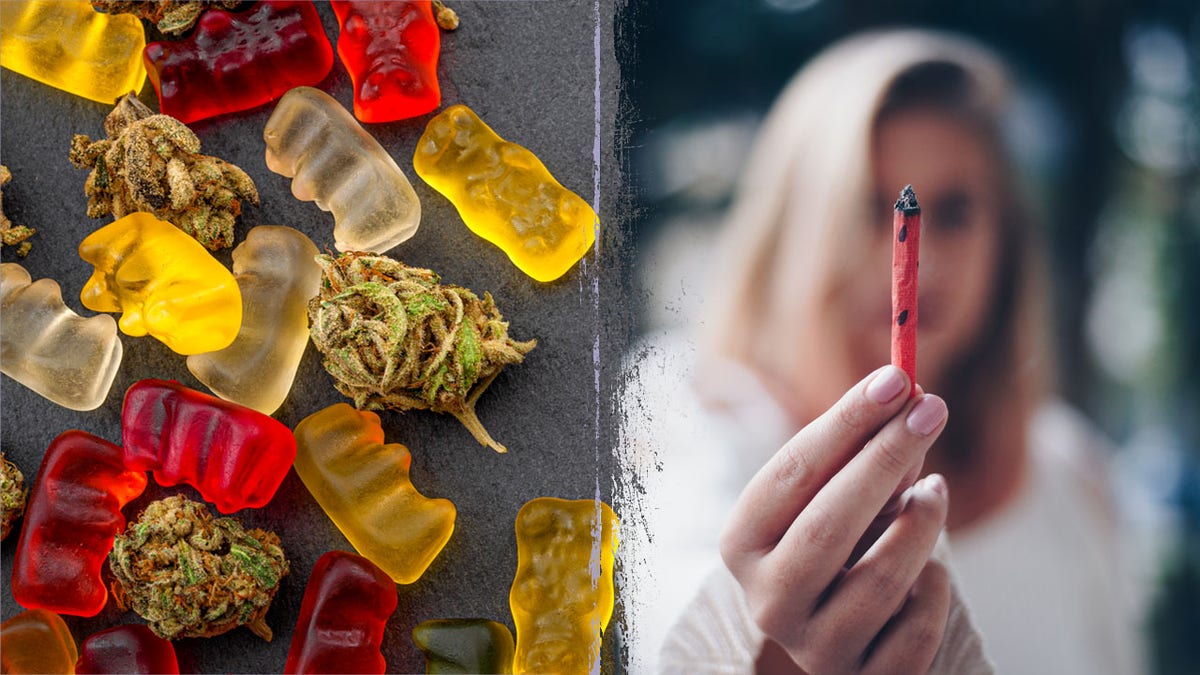
Cannabis use is often seen as harmless, casual, and easy to control. For many people, it starts that way. However, there is a hidden side to cannabis use that is not always recognized until it begins affecting mood, motivation, relationships, and mental health. Dependence can develop gradually, and by the time it becomes noticeable, stopping may already feel difficult. Understanding how cannabis dependence forms and what steps to take next is key to protecting your well-being and beginning a path toward recovery.
How Cannabis Dependence Develops Over Time
Cannabis dependence does not usually appear suddenly. It develops through repeated use that gradually changes how the brain responds to stress, reward, and emotional balance.
The Brain’s Reward System and THC
THC, the active compound in cannabis, interacts with the brain’s reward system. This system is responsible for feelings of pleasure and motivation. With repeated use, the brain may begin to rely on THC to feel relaxed or emotionally balanced. Over time, natural sources of enjoyment may feel less rewarding without cannabis.
From Occasional Use to Routine Behavior
What begins as occasional use can slowly become a routine. This often happens without clear warning signs. A person may start using cannabis to unwind after work, manage stress, or sleep better. Eventually, use may become more frequent or feel necessary rather than optional.
Tolerance and Emotional Reliance
As tolerance builds, individuals may need more cannabis to achieve the same effect. At the same time, emotional reliance can develop. This means cannabis becomes a primary coping tool for stress, anxiety, or emotional discomfort.
Signs Cannabis Use May Be Becoming a Concern
Recognizing early signs of dependence can help prevent more serious challenges later.
Common Warning Indicators
Some signs include:
- Using cannabis more often than intended
- Feeling irritable, anxious, or restless when not using
- Difficulty cutting back despite wanting to
- Relying on cannabis to manage emotions or stress
- Losing interest in hobbies or social activities
- Decline in work, school, or personal responsibilities
These signs do not define a person. They simply indicate that the brain and body may be adapting to regular cannabis use in a way that needs support.
The Connection Between Cannabis and Mental Health
Cannabis use and mental health are closely linked. While some individuals use marijuana to cope with anxiety or depression, long term use can sometimes worsen these conditions.
Emotional Regulation Challenges
Regular cannabis use may interfere with the brain’s ability to regulate emotions naturally. This can lead to mood swings, increased anxiety, or difficulty managing stress without the substance.
Co Occurring Mental Health Conditions
Many individuals with cannabis dependence also experience mental health conditions such as anxiety disorders, depression, or unresolved trauma. Treating both together is essential for long term recovery and emotional stability.
What You Can Do Next
If cannabis use is beginning to feel difficult to control, there are practical steps that can help you regain stability and direction.
Step One: Acknowledge the Pattern
The first step is honest self reflection. Understanding how cannabis is affecting your daily life, emotions, and responsibilities can provide clarity and motivation for change.
Step Two: Seek Professional Support
Addiction and mental health professionals can help assess your situation and guide you toward appropriate treatment options. Support is most effective when it is tailored to your specific needs.
Step Three: Explore Treatment Options
Different levels of care are available depending on your situation.
Inpatient Treatment
Inpatient programs offer structured, around the clock support in a safe environment. This allows individuals to focus fully on recovery without outside distractions.
Outpatient Care
Outpatient programs provide flexibility while still offering therapy, accountability, and mental health support. This option is often ideal for individuals with work or family responsibilities.
Holistic and Faith Based Approaches
Holistic care focuses on healing the mind, body, and spirit through practices such as mindfulness, exercise, nutrition, and stress management. Faith based support can also provide purpose, strength, and community connection during recovery.
Building a Healthier Future
Recovery is not only about stopping cannabis use. It is about rebuilding emotional balance, improving mental health, and developing healthier coping strategies. With the right support, individuals can regain control and create a more stable and fulfilling life.
Conclusion
The hidden side of cannabis use often develops quietly, but its impact can grow over time. Dependence is not a failure of willpower. It is a sign that the brain and body need support to restore balance.
Granite Marbles offers compassionate, individualized care through inpatient, outpatient, holistic, and faith based treatment programs designed to support both addiction recovery and mental health healing. If cannabis use is beginning to feel harder to control, reaching out for help is a powerful first step toward clarity, stability, and lasting recovery.