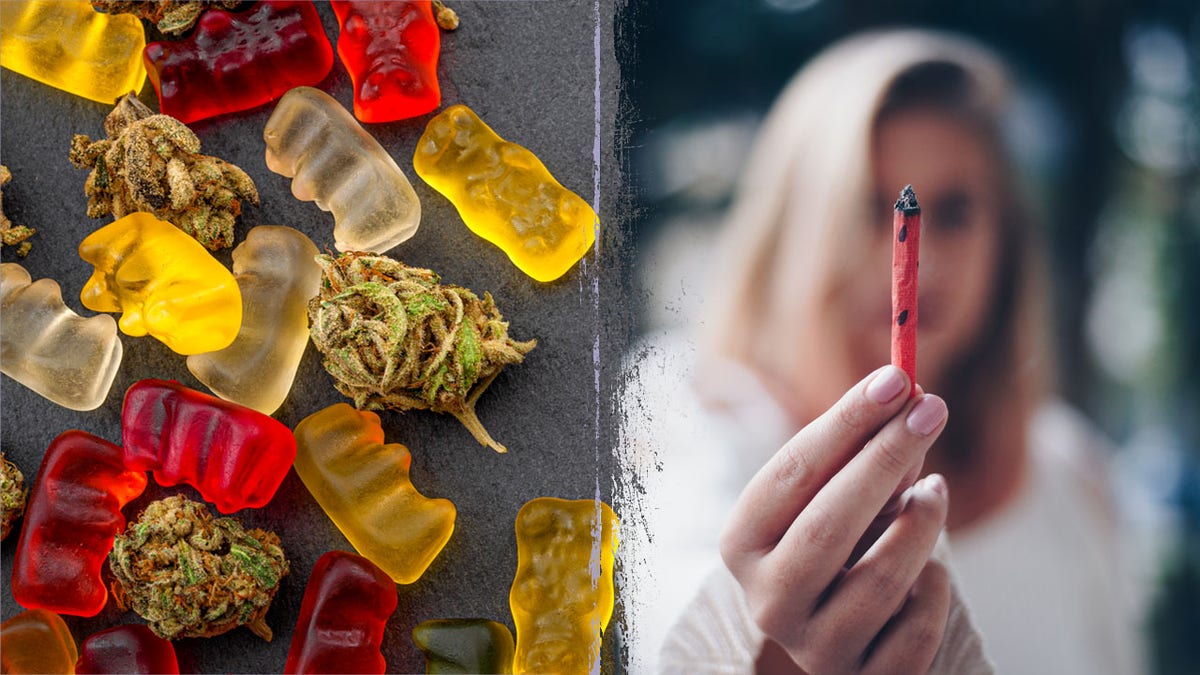
Marijuana use often begins casually, in social settings or moments of relaxation, with little concern about long term effects. For some individuals, however, that casual use can slowly shift into a pattern that feels harder to control. What once felt optional may start to feel necessary for sleep, stress relief, or emotional stability. Recognizing this transition early is important, because marijuana addiction can develop gradually and affect mental health, relationships, and daily functioning before a person fully realizes what is happening.
How Casual Marijuana Use Can Gradually Change
Cannabis affects the brain’s reward system, which plays a major role in motivation, pleasure, and emotional regulation. With repeated use, the brain begins to adjust its natural balance, sometimes relying on THC to feel calm or satisfied.
The Brain’s Adaptation to THC
THC interacts with receptors in the brain that regulate mood and stress. Over time, frequent exposure can reduce the brain’s ability to produce and regulate its own feel good chemicals. This adaptation can make everyday experiences feel less rewarding without cannabis.
When Routine Becomes Reliance
At first, use may be occasional and intentional. However, it can gradually become part of daily routines. A person may start using cannabis to relax after work, manage anxiety, or fall asleep. Eventually, this behavior can shift from choice to reliance.
Early Warning Signs of Marijuana Addiction
Recognizing the early signs of cannabis dependence can help prevent more serious consequences. These signs often appear slowly and may be easy to overlook.
Common Behavioral and Emotional Indicators
Some early warning signs include:
- Using marijuana more frequently than planned
- Feeling irritable, anxious, or restless when not using
- Needing more cannabis to achieve the same effect
- Using marijuana to cope with stress or emotions
- Losing interest in hobbies or social activities
- Difficulty meeting responsibilities at work, school, or home
These changes may seem small at first, but they can signal a growing dependence.
Why Some People Are More Vulnerable to Compulsive Use
Not everyone who uses marijuana develops an addiction. However, certain factors can increase the risk of moving from casual use to compulsion.
Mental Health and Emotional Coping
Many individuals use cannabis to manage underlying emotional challenges such as anxiety, depression, or stress. While it may provide temporary relief, it does not address the root cause of these feelings, which can lead to repeated use as a coping mechanism.
Environmental and Social Influences
Stressful environments, peer influence, or lack of emotional support can also contribute to increased cannabis use. When marijuana becomes the primary coping strategy, dependence is more likely to develop.
Biological Sensitivity
Genetic and neurological differences can also influence how strongly a person responds to THC. Some individuals may experience stronger reinforcing effects, increasing the risk of compulsive use.
The Impact of Marijuana Addiction on Mental Health
Cannabis use and mental health are closely connected. While some people use marijuana to reduce anxiety or improve mood, long term use can sometimes have the opposite effect.
Anxiety, Mood Changes, and Emotional Dependence
Regular cannabis use can interfere with natural emotional regulation. Over time, individuals may notice increased anxiety, mood swings, or difficulty managing stress without using marijuana.
Co Occurring Mental Health Conditions
Marijuana addiction often occurs alongside mental health conditions such as depression or anxiety disorders. When both are present, they can reinforce each other, making recovery more complex without integrated treatment.
How Professional Treatment Supports Recovery
Recovery from marijuana addiction is most effective when it addresses both substance use and mental health together. Compassionate, structured care helps individuals rebuild balance and develop healthier coping strategies.
Inpatient Treatment for Focused Healing
Inpatient programs provide a safe and structured environment where individuals can focus entirely on recovery. These programs include therapy, emotional support, and daily structure to help stabilize both mental health and substance use patterns.
Outpatient Care for Flexible Recovery
Outpatient treatment allows individuals to continue work, school, or family responsibilities while receiving consistent therapeutic support. This approach focuses on building coping skills and preventing relapse in real world situations.
Holistic and Faith Based Support
Holistic care supports healing through practices that strengthen the mind, body, and spirit. This may include mindfulness, physical wellness, nutrition, and stress management techniques. Faith based support can also provide meaning, hope, and a sense of community during recovery.
Taking the First Step Toward Change
Recognizing that marijuana use is becoming difficult to control is an important and courageous first step. From there, small actions can lead to meaningful progress.
Practical Steps to Begin Recovery
- Reflect on how cannabis use is affecting daily life and emotions
- Identify triggers that lead to increased use
- Reach out to a professional for assessment and guidance
- Build a support system of trusted individuals
- Explore treatment options that match your needs and goals
Conclusion
The transition from casual marijuana use to compulsive behavior can happen gradually, but it does not have to define your future. With the right support, recovery is possible and sustainable.
Granite Marbles offers compassionate, individualized care through inpatient, outpatient, holistic, and faith based treatment programs designed to support both addiction recovery and mental health healing. If marijuana use is beginning to feel harder to control, reaching out for help can be the first step toward clarity, stability, and lasting change.