Monthly Archives: April 2026

Finding the Right Help: Inpatient, Outpatient, and Faith-Based Options for Marijuana Addiction

Marijuana addiction can develop gradually, often starting as casual or social use before turning into a pattern that feels difficult to control. When cannabis begins to affect mental health, relationships, motivation, or daily responsibilities, it may be time to seek professional support. The good news is that recovery is not one-size-fits-all. Inpatient, outpatient, and faith-based treatment options all offer meaningful pathways to healing, depending on each person’s needs and circumstances.

Understanding Marijuana Addiction and When to Seek Help

Cannabis use can affect the brain’s reward system, making it harder over time to stop even when negative consequences appear. Many individuals do not realize dependence has formed until they try to cut back and struggle.

Common Signs of Marijuana Dependence

Some early indicators include:

  • Needing marijuana to relax, sleep, or cope with stress
  • Difficulty reducing or stopping use
  • Increased tolerance requiring more frequent use
  • Anxiety, irritability, or restlessness when not using
  • Declining performance at work, school, or home responsibilities

Recognizing these signs early can make recovery more manageable and reduce the risk of long term challenges.

Inpatient Treatment for Marijuana Addiction

Inpatient treatment provides a structured and supportive environment where individuals can focus fully on recovery. This level of care is often recommended for those experiencing moderate to severe dependence or co occurring mental health concerns.

What to Expect in Inpatient Care

Inpatient programs typically include:

  • 24 hour clinical and emotional support
  • Individual and group therapy sessions
  • Education on addiction and coping strategies
  • A structured daily routine that supports stability
  • Relapse prevention planning

This immersive environment removes outside distractions and helps individuals build a strong foundation for long term recovery.

Benefits of Inpatient Treatment

Inpatient care allows individuals to step away from triggers and focus entirely on healing. It also provides immediate access to mental health professionals, which is especially important for those dealing with anxiety, depression, or trauma alongside marijuana addiction.

Outpatient Treatment: Flexible Support for Recovery

Outpatient programs offer structured treatment while allowing individuals to continue their daily responsibilities. This option is ideal for those with mild to moderate dependence or for individuals transitioning from inpatient care.

How Outpatient Programs Work

Outpatient care may include:

  • Weekly or regular therapy sessions
  • Group counseling and peer support
  • Mental health treatment and medication management if needed
  • Relapse prevention and coping skills training

This flexibility allows individuals to maintain work, school, or family commitments while receiving consistent support.

Why Outpatient Care Works

Outpatient treatment helps individuals apply recovery skills in real time. By facing daily challenges while receiving guidance, clients can build confidence and long term resilience.

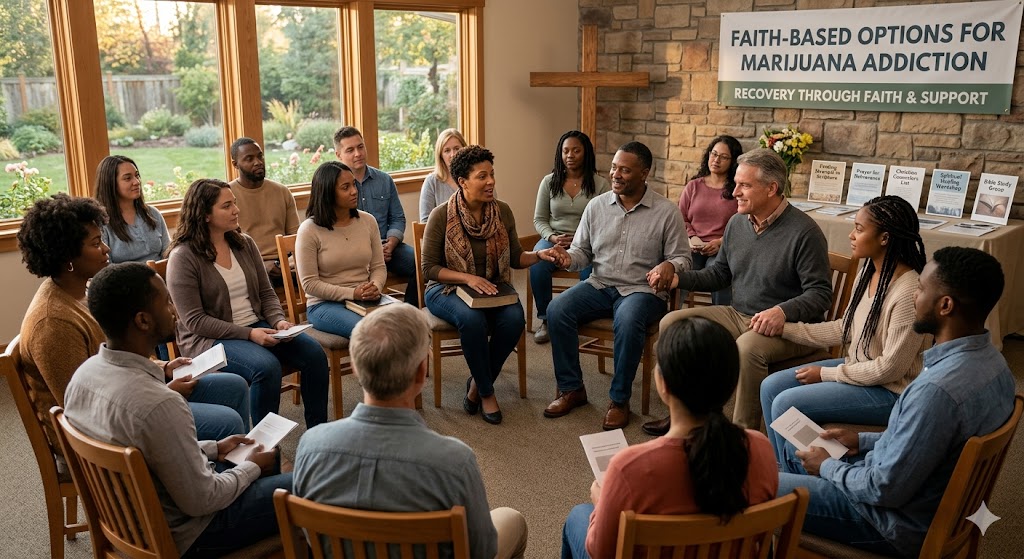
Faith-Based Support in Marijuana Addiction Recovery

Faith-based treatment offers a spiritual dimension to recovery that can be deeply meaningful for many individuals. It focuses on healing through purpose, connection, and inner strength.

The Role of Spiritual Support

Faith-based programs may include:

  • Spiritual counseling and guidance
  • Prayer or meditation practices
  • Community support and fellowship
  • Values based recovery planning

This approach can provide hope and encouragement, especially during difficult stages of recovery.

Combining Faith and Clinical Care

Faith-based support is often most effective when combined with clinical treatment. This integrated approach addresses both emotional healing and spiritual growth, creating a more balanced recovery experience.

Choosing the Right Path for Recovery

There is no single path to overcoming marijuana addiction. The right treatment depends on individual needs, mental health status, and personal goals.

Factors to Consider

When choosing a treatment option, consider:

  1. Severity of marijuana use and withdrawal symptoms
  2. Presence of co occurring mental health conditions
  3. Daily responsibilities and support system
  4. Personal beliefs and values
  5. Level of structure needed for recovery

A professional assessment can help determine the most effective level of care.

Conclusion

Marijuana addiction can affect many areas of life, but recovery is absolutely possible with the right support. Whether through inpatient care, outpatient programs, or faith-based healing, each path offers tools to help individuals regain control, restore mental health, and rebuild their lives.

Granite Marbles provides compassionate, individualized treatment through inpatient, outpatient, holistic, and faith-based programs designed to meet people where they are in their recovery journey. If marijuana use is beginning to feel difficult to manage, reaching out for help is a powerful first step toward lasting change, stability, and renewed hope.

Mental Health and Marijuana: Why Dual Support Is Key to Recovery

Marijuana use and mental health are deeply connected, often in ways that are not immediately obvious. Many people turn to cannabis to cope with anxiety, depression, stress, or trauma, believing it offers relief. While it may provide temporary comfort, long term use can complicate mental health symptoms and increase emotional instability. This is why dual support, addressing both marijuana use and mental health together, is essential for meaningful and lasting recovery.

The Link Between Marijuana Use and Mental Health

Cannabis interacts with the brain’s endocannabinoid system, which plays a key role in mood regulation, stress response, and emotional balance. While some individuals report short term relaxation, frequent use can disrupt these systems over time.

Temporary Relief Versus Long Term Impact

In the short term, marijuana may reduce feelings of anxiety or emotional distress. However, with continued use, the brain may begin to rely on THC to regulate mood. This can lead to increased anxiety, reduced emotional resilience, and difficulty coping without the substance. Over time, the original mental health symptoms may return stronger or more persistent.

The Cycle of Self Medication

Many individuals begin using marijuana as a form of self medication. This often creates a cycle where cannabis is used to manage emotional discomfort, but gradually contributes to greater instability. Without addressing the underlying mental health concerns, this cycle can become difficult to break.

Why Dual Diagnosis Treatment Matters

Dual diagnosis treatment focuses on both substance use and mental health conditions at the same time. This approach is essential because these challenges often reinforce each other.

Treating the Whole Person

When marijuana use and mental health conditions are treated separately, recovery may feel incomplete. Integrated care ensures that both issues are addressed together, leading to more stable and lasting outcomes. This approach recognizes that emotional health and substance use are closely connected.

Common Co Occurring Conditions

Some of the most common mental health conditions seen alongside marijuana use include:

  • Anxiety disorders
  • Depression
  • Post traumatic stress
  • Mood regulation difficulties

When these conditions are left untreated, they can increase the likelihood of continued cannabis use and make recovery more complex.

How Professional Treatment Supports Recovery

Effective recovery requires structured care, emotional support, and personalized treatment strategies.

Inpatient Care for Intensive Support

Inpatient treatment provides a safe and structured environment where individuals can focus entirely on healing. It includes therapy, medical supervision, and emotional support, helping stabilize both mental health and substance use symptoms.

Outpatient Programs for Flexible Healing

Outpatient care allows individuals to receive treatment while continuing with work, school, or family responsibilities. This option includes therapy sessions, skill building, and relapse prevention planning. It is ideal for those who need consistent support while maintaining daily life routines.

Holistic and Faith Based Approaches

Holistic treatment focuses on healing the mind, body, and spirit. Practices such as mindfulness, meditation, physical activity, and nutritional support help improve emotional balance and reduce stress. Faith based care adds another layer of support through spiritual guidance, purpose, and community connection. These approaches help strengthen resilience and overall well being.

Individualized Treatment Planning

No two recovery journeys are the same. Individualized treatment ensures that care plans are tailored to each person’s unique mental health needs, substance use history, and personal goals. This personalized approach improves engagement and long term success.

Practical Steps Toward Dual Recovery

If marijuana use and mental health challenges are affecting your life, there are steps that can help you move forward:

  1. Recognize the connection between emotional health and substance use
  2. Seek a professional assessment for both mental health and addiction
  3. Identify triggers that influence cannabis use
  4. Build a support system of trusted individuals
  5. Commit to a treatment plan that addresses both conditions together

Taking these steps early can significantly improve recovery outcomes and emotional stability.

Conclusion

Marijuana use and mental health are closely linked, and treating one without the other often leaves gaps in recovery. Dual diagnosis care provides a comprehensive approach that supports both emotional healing and addiction recovery at the same time.

Granite Marbles offers compassionate, individualized treatment through inpatient, outpatient, holistic, and faith based programs designed to support the full spectrum of recovery needs. If you or someone you love is struggling with marijuana use and mental health challenges, reaching out for help is a powerful first step toward stability, clarity, and lasting wellness.

Understanding Cannabis Dependence: When Occasional Use Becomes a Challenge

Cannabis is often described as a low risk substance, used occasionally for relaxation or stress relief. However, for some individuals, what begins as casual use can gradually shift into a pattern that affects mood, motivation, mental health, and daily functioning. Understanding cannabis dependence early is essential for preventing long term consequences and finding the right support before the situation escalates. With compassionate, professional care, recovery is not only possible but sustainable.

What Is Cannabis Dependence?

Cannabis dependence develops when the brain adapts to repeated THC exposure and begins to rely on it to regulate mood, stress, or sleep. Over time, the natural reward system becomes less responsive, and individuals may feel they need cannabis to feel normal or balanced.

How the Brain Changes Over Time

THC interacts with the brain’s endocannabinoid system, which plays a key role in emotional regulation, memory, and motivation. With frequent use, the brain reduces its natural production of certain neurotransmitters. This can lead to emotional flattening, reduced motivation, and increased reliance on cannabis to feel relief or pleasure.

The Shift From Choice to Compulsion

Occasional use is typically planned and controlled. Dependence, however, often involves using more than intended, struggling to cut back, or feeling uneasy without cannabis. This shift can be subtle at first, making early awareness especially important.

When Occasional Use Becomes a Concern

Recognizing the early signs of cannabis dependence can help individuals take action before the pattern becomes more difficult to manage.

Common Warning Signs

Some of the most common indicators include:

  • Increasing frequency of cannabis use over time
  • Using marijuana to cope with stress, anxiety, or boredom
  • Difficulty stopping even when wanting to cut back
  • Feeling irritable, restless, or anxious when not using
  • Declining performance at work, school, or home responsibilities
  • Losing interest in hobbies or social activities

These signs do not define a person. Instead, they signal that the brain and body may be relying on cannabis in a way that deserves attention and support.

The Connection Between Cannabis and Mental Health

Cannabis use and mental health are closely linked. While some individuals use marijuana to manage anxiety or emotional distress, long term use can sometimes intensify these challenges.

Anxiety, Depression, and Emotional Regulation

Regular cannabis use can disrupt emotional balance. Some individuals report increased anxiety or mood swings when not using. Others may notice a cycle where cannabis provides temporary relief, followed by worsening symptoms over time.

Co Occurring Conditions

It is common for cannabis dependence to appear alongside mental health conditions such as anxiety disorders, depression, or unresolved trauma. Treating both together is essential for long term recovery and emotional stability.

How Professional Treatment Supports Recovery

Recovery from cannabis dependence is most effective when it includes structured, compassionate care tailored to each individual’s needs.

Inpatient Treatment Options

Inpatient care provides a safe and structured environment where individuals can focus fully on recovery. This level of care often includes:

  • Individual and group therapy
  • Medical and mental health support
  • Education on addiction and coping strategies
  • Daily structure and accountability

This approach is especially helpful for individuals experiencing more severe dependence or co occurring mental health concerns.

Outpatient Programs for Flexible Support

Outpatient care allows individuals to continue daily responsibilities while receiving consistent treatment. It typically includes therapy sessions, relapse prevention planning, and ongoing emotional support. This option is ideal for those who need structure while maintaining work, school, or family commitments.

Holistic and Faith Based Healing

Holistic care supports recovery by addressing the mind, body, and spirit. Approaches may include mindfulness, meditation, nutrition support, and physical wellness practices. Faith based programs offer additional support through spiritual guidance, purpose, and community connection. Together, these approaches help build a more balanced and resilient foundation for recovery.

Practical Steps to Take If You Are Concerned

If cannabis use is beginning to feel difficult to control, there are meaningful steps that can help:

  1. Reflect honestly on how cannabis is affecting daily life and emotions
  2. Track usage patterns to identify triggers or emotional drivers
  3. Speak with a qualified addiction or mental health professional
  4. Build supportive relationships with trusted friends or family
  5. Explore treatment options that fit your personal needs and goals

Early action often leads to more successful and sustainable recovery outcomes.

Conclusion

Cannabis dependence does not happen overnight. It develops gradually, often in ways that are easy to overlook until it begins to affect mental health, relationships, and daily life. The important truth is that help is available, and recovery is absolutely possible with the right support.

Granite Marbles offers compassionate, individualized care through inpatient, outpatient, holistic, and faith based treatment options designed to support both addiction recovery and mental health healing. If cannabis use is becoming a challenge, reaching out for help is a strong and meaningful first step toward stability, clarity, and lasting wellness.

Breaking Free from Cannabis: How Holistic Recovery Supports Lasting Change

Marijuana use can start casually, but for some individuals, it can evolve into a dependency that affects mental health, relationships, and daily life. Breaking free from cannabis requires more than willpower—it calls for a comprehensive, compassionate approach that addresses both the physical and emotional aspects of addiction. Holistic recovery programs offer tools and strategies that support lasting change, helping individuals regain balance and build a healthier future.

Understanding Cannabis Dependence

Cannabis contains THC, a chemical that interacts with the brain’s reward system. Regular use can alter brain chemistry, reinforcing habits and creating cravings. Over time, individuals may rely on marijuana to manage stress, anxiety, or low mood, which can make stopping use more difficult. Recognizing dependence early is key to pursuing effective treatment and preventing long-term consequences.

Signs You May Need Support

Some common indicators that marijuana use may be becoming problematic include:

  • Increasing frequency or quantity of use
  • Difficulty controlling or reducing consumption
  • Using cannabis to cope with emotional or psychological challenges
  • Withdrawal symptoms such as irritability, anxiety, or restlessness when not using
  • Neglecting personal, professional, or social responsibilities

Noticing these patterns is the first step toward seeking help and beginning recovery.

Holistic Approaches to Recovery

Holistic recovery treats the whole person—mind, body, and spirit—rather than focusing solely on substance use. This approach addresses the underlying factors contributing to dependence and equips individuals with tools to maintain long-term wellness.

Mindfulness and Stress Management

Mindfulness practices, including meditation and deep-breathing exercises, can reduce stress and improve emotional regulation. These techniques help individuals recognize triggers and respond to cravings with awareness rather than impulsivity, supporting sustained recovery.

Physical Wellness

Incorporating exercise, yoga, and proper nutrition strengthens both body and mind. Physical wellness promotes better sleep, reduces anxiety, and enhances mood, creating a foundation for resilience against relapse.

Emotional and Creative Therapies

Expressive therapies, such as art, music, or journaling, provide safe outlets for processing emotions. Emotional healing is an essential component of recovery, helping individuals address underlying issues that may have contributed to cannabis dependence.

Faith-Based Support

For those who value spirituality, faith-based programs offer guidance, purpose, and community. Integrating spiritual practices into recovery can strengthen motivation, foster connection, and reinforce a sense of meaning beyond substance use.

Inpatient and Outpatient Options

Holistic recovery can be offered in both inpatient and outpatient settings. Inpatient programs provide structured, immersive care, ideal for individuals with more severe dependence or co-occurring mental health conditions. Outpatient programs allow clients to maintain work, school, or family commitments while receiving professional support and guidance. Both options include therapy, education, and relapse prevention strategies tailored to individual needs.

Taking the First Step Toward Lasting Change

Recovery from cannabis dependence begins with acknowledging the need for help and exploring treatment options. Practical steps include:

  1. Assessing patterns of use and identifying triggers
  2. Consulting with a qualified addiction professional
  3. Selecting a program that aligns with personal goals and values
  4. Building a support network of family, friends, or peers
  5. Committing to a holistic plan that addresses mind, body, and spirit

Early engagement with professional support increases the likelihood of sustained recovery and improved overall well-being.

Conclusion

Breaking free from cannabis is a journey that requires more than simply stopping use. Holistic recovery programs provide the tools, support, and strategies needed to address both addiction and underlying mental health challenges. Granite Marbles offers individualized, faith-based, inpatient, and outpatient care designed to support clients at every stage of recovery. Taking the first step today can lead to lasting change, renewed balance, and a healthier, more fulfilling life.