
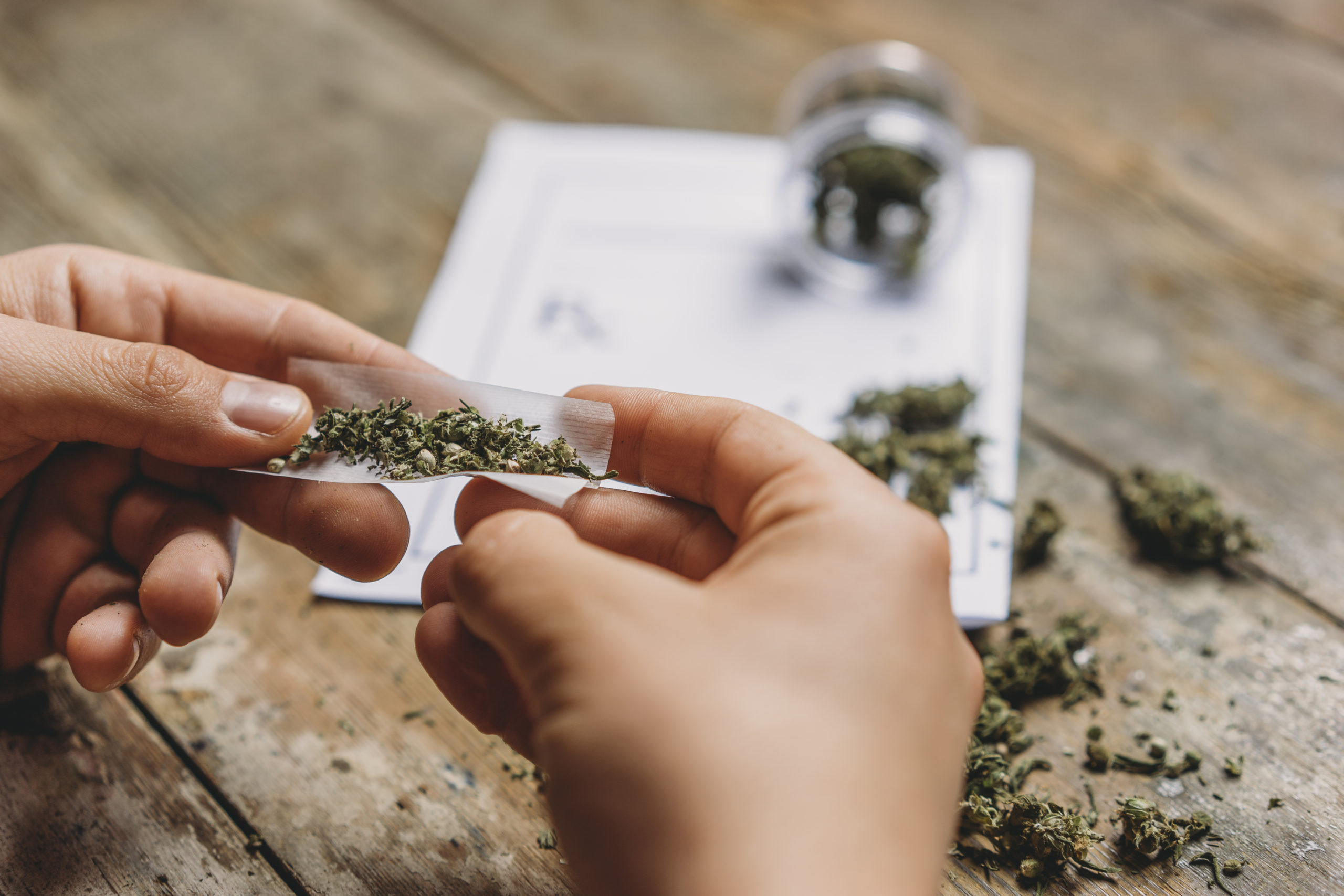
Marijuana is often seen as a harmless substance, used casually for relaxation or social enjoyment. For many, it seems like a low-risk part of daily life. However, what starts as recreational use can sometimes develop into dependence, affecting mental health, relationships, and overall well-being. Understanding marijuana dependence is crucial for anyone who may be struggling or concerned about their use, and recognizing the signs early can pave the way toward recovery.
What Is Marijuana Dependence?
Marijuana dependence occurs when the brain and body adapt to regular cannabis use, making it difficult to stop without experiencing withdrawal symptoms. Dependence is different from casual use or occasional use: it involves both psychological and physical elements that interfere with daily life. Common signs include cravings, irritability when not using, difficulty focusing, and continued use despite negative consequences at work, school, or in personal relationships.
Understanding the Risk Factors
Several factors increase the likelihood of developing marijuana dependence:
- Frequency and duration of use: Daily or heavy use over months or years increases risk.
- Age of first use: Starting at a younger age, particularly during adolescence, affects brain development and can heighten vulnerability.
- Mental health challenges: Individuals with anxiety, depression, or other mental health conditions may be more prone to using marijuana as a coping mechanism.
- Genetics and family history: A family history of addiction can influence susceptibility.
Recognizing these risk factors early can help individuals take proactive steps toward healthier habits.
How Marijuana Dependence Affects Mental Health
Marijuana dependence often intersects with mental health challenges. Long-term use may exacerbate anxiety, depression, or mood disorders. In some cases, it can interfere with memory, focus, and motivation. Because cannabis affects the brain’s reward system, individuals may find it difficult to experience pleasure from everyday activities without the drug, creating a cycle that reinforces continued use.
Co-Occurring Disorders and Integrated Care
Addressing marijuana dependence effectively often requires treating underlying mental health issues. Integrated care programs provide a dual focus on addiction and mental health. For example, cognitive-behavioral therapy helps clients identify triggers and develop coping strategies, while holistic approaches support emotional and physical well-being through mindfulness, nutrition, and exercise.
Pathways to Recovery
Recovery from marijuana dependence is possible with the right support and treatment. Options include:
- Inpatient treatment: Provides a structured, supportive environment for intensive therapy and medical supervision.
- Outpatient programs: Allow individuals to receive therapy while maintaining daily responsibilities.
- Holistic approaches: Mindfulness, yoga, and art therapy can complement traditional treatment by promoting overall wellness.
- Faith-based support: Spiritual guidance can provide purpose and motivation for those seeking a values-driven recovery path.
- Individualized care: Personalized treatment plans ensure therapy is tailored to the client’s unique history, needs, and goals.
Consistency and professional guidance are key to sustaining recovery, preventing relapse, and rebuilding a balanced, fulfilling life.
Practical Steps for Immediate Support
If you or a loved one are struggling with marijuana dependence, consider these actionable steps:
- Reach out to a qualified professional for assessment and guidance.
- Track usage patterns to understand triggers and high-risk situations.
- Develop a support system of family, friends, or peer groups.
- Adopt healthy coping strategies like exercise, journaling, or mindfulness practices.
Even small steps can create momentum toward meaningful change.
Conclusion
Marijuana may seem harmless, but dependence can have serious consequences for mental health, relationships, and overall quality of life. Recognizing the signs and seeking professional help is the first step toward lasting recovery. At Granite Marbles, compassionate, individualized care is available to guide clients through every stage of recovery, combining clinical expertise with holistic support. Recovery is possible, and the first step is reaching out for help today.