
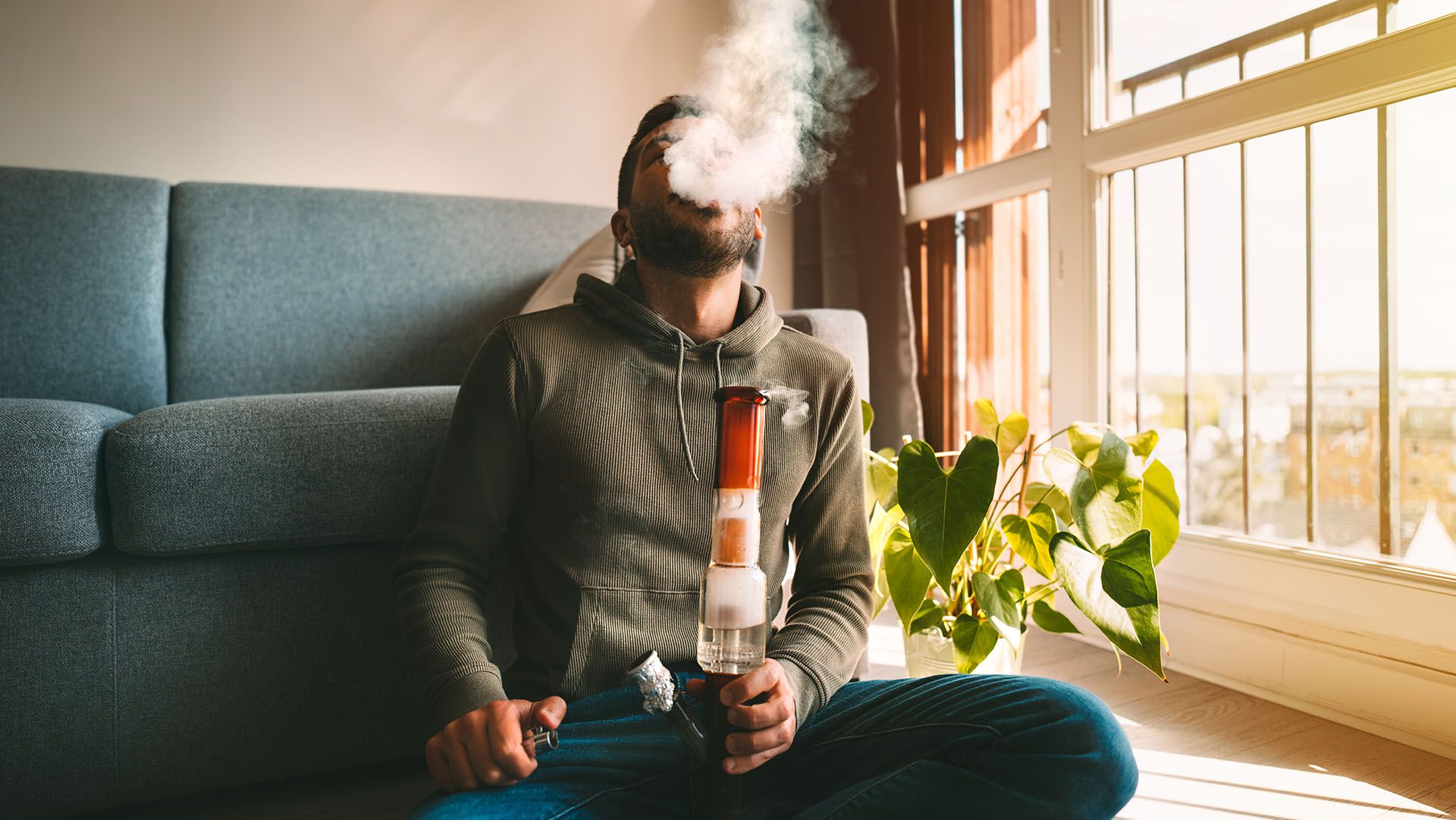
Marijuana is often seen as a safe and casual substance, but for some individuals, regular use can develop into addiction, affecting mental health, daily functioning, and overall quality of life. Understanding when casual use becomes compulsive is essential for recognizing warning signs and seeking help. Early intervention can prevent long-term consequences and set the stage for lasting recovery.
How Marijuana Use Can Become Compulsive
Marijuana contains THC, which interacts with the brain’s endocannabinoid system, influencing mood, memory, and the reward system. Repeated use can alter brain chemistry, creating a reliance on cannabis for emotional regulation. Over time, this can shift casual use into a pattern of compulsive behavior that is difficult to control without professional support.
The Role of the Brain’s Reward System
The brain’s reward system reinforces behaviors that bring pleasure. Cannabis stimulates this system, producing feelings of relaxation or euphoria. With frequent use, the brain may depend on marijuana to experience positive emotions, reducing natural motivation and increasing the risk of addiction. This pattern can make it challenging to enjoy everyday activities without cannabis.
Emotional and Cognitive Impacts
Chronic marijuana use can affect focus, memory, and decision-making. Individuals may experience irritability, anxiety, or mood swings when not using. For those with pre-existing mental health conditions, cannabis use can exacerbate symptoms, making recovery more complex but also more critical.
Recognizing the Signs of Marijuana Addiction
Early recognition is key to seeking effective help. Some signs that casual use may have become compulsive include:
- Using more frequently or in higher amounts than intended
- Strong cravings or urges to use cannabis
- Inability to reduce or stop use despite negative consequences
- Neglecting responsibilities at work, school, or home
- Using marijuana as a coping mechanism for stress or emotional discomfort
- Social withdrawal or reduced participation in previously enjoyable activities
Acknowledging these signs is the first step toward professional support and meaningful recovery.
The Importance of Integrated Recovery
Marijuana addiction often overlaps with mental health challenges, including anxiety, depression, or trauma-related issues. Addressing both substance use and mental health simultaneously is essential for lasting recovery.
Inpatient and Outpatient Programs
Inpatient programs provide a structured environment with therapy, medical supervision, and peer support. Outpatient programs offer flexibility for individuals to receive care while maintaining daily responsibilities. Both options focus on coping skills, relapse prevention, and emotional support tailored to individual needs.
Holistic and Individualized Approaches
Holistic therapies, such as mindfulness, yoga, and nutrition counseling, support emotional and physical well-being. Individualized treatment plans ensure that therapy aligns with personal history, values, and recovery goals, increasing the likelihood of long-term success.
Faith-Based Support
Faith-based programs offer spiritual guidance, community, and purpose. Integrating spirituality into recovery can strengthen motivation and provide additional tools for emotional resilience.
Practical Steps to Take Early Action
If you notice signs of compulsive marijuana use, consider these steps:
- Monitor your patterns of use and identify triggers.
- Reach out to qualified professionals for assessment and guidance.
- Engage with supportive family, friends, or peer networks.
- Explore healthy coping strategies such as journaling, exercise, or mindfulness practices.
- Commit to a treatment plan that addresses both addiction and mental health.
Early action can make recovery more manageable and improve long-term outcomes.
Conclusion
Marijuana use can shift from casual enjoyment to compulsive behavior, impacting mental health, relationships, and daily functioning. Recognizing the signs early and seeking compassionate, professional support is crucial for achieving lasting recovery. Granite Marbles provides individualized, holistic, inpatient, outpatient, and faith-based programs designed to guide clients through every stage of recovery. Taking the first step to reach out for help is a powerful step toward reclaiming balance, clarity, and a healthier life.