Primary Content: Home

`Highs and Lows: Recognizing the Signs of Cannabis Use Disorder

Marijuana is often viewed as a harmless substance used to relax, socialize, or manage stress. For many, it is a part of daily life, and occasional use may not cause noticeable problems. However, repeated or heavy use can sometimes evolve into Cannabis Use Disorder (CUD), a condition that impacts mental health, relationships, and daily functioning. Recognizing the signs early is essential for anyone concerned about their use or the well-being of a loved one.


What is Cannabis Use Disorder?

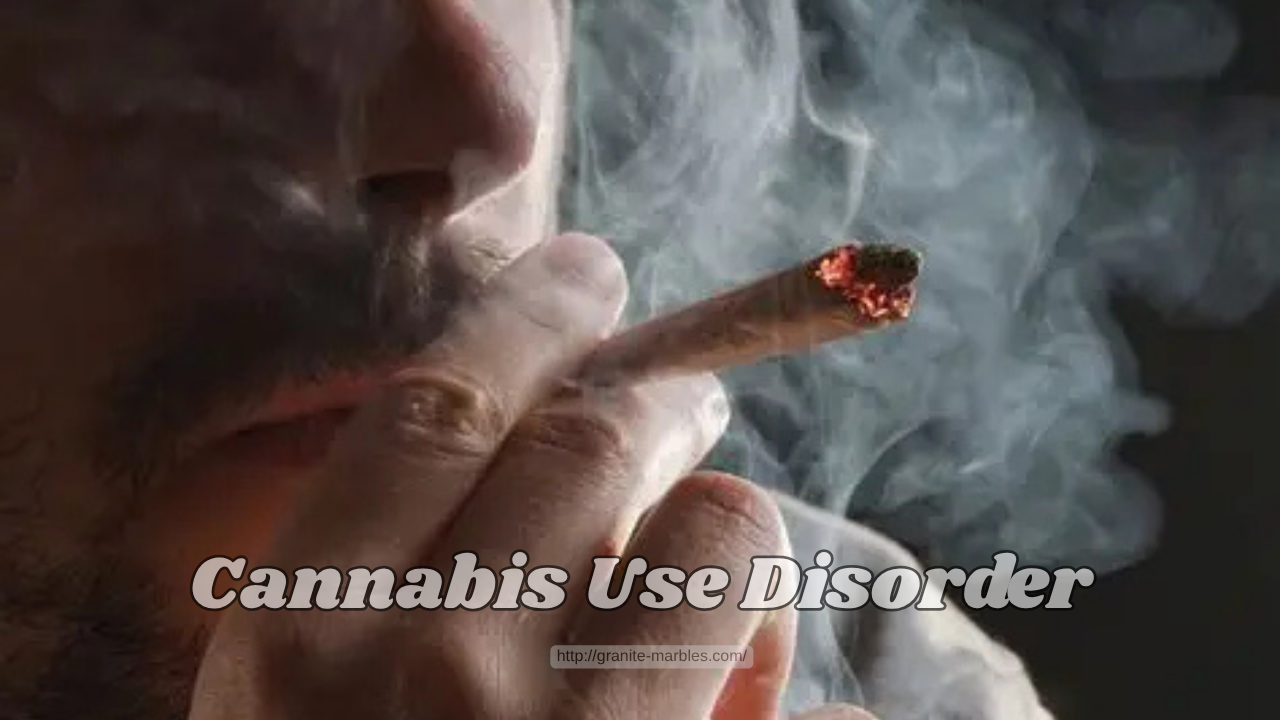
Cannabis Use Disorder is a medical diagnosis that reflects a pattern of marijuana use that leads to significant impairment or distress. Unlike casual use, CUD involves loss of control, cravings, and continued use despite negative consequences.

The main psychoactive compound in marijuana, THC, interacts with the brain’s reward system, producing euphoria and relaxation. Over time, frequent exposure can disrupt natural dopamine pathways, making it difficult for the brain to experience pleasure without cannabis. This chemical dependence, combined with psychological reliance, can gradually turn a habit into a serious problem.


Common Signs and Symptoms of CUD

Identifying CUD early allows for timely intervention and effective treatment. Common signs include:

Behavioral signs:

  • Using marijuana daily or in increasingly larger amounts
  • Neglecting responsibilities at work, school, or home
  • Spending significant time obtaining or using cannabis
  • Avoiding social activities that do not involve marijuana

Psychological signs:

  • Experiencing cravings or intense urges to use cannabis
  • Feeling anxious, irritable, or restless when not using
  • Using marijuana as the primary way to cope with stress or negative emotions

Physical signs:

  • Sleep disturbances or insomnia
  • Changes in appetite or weight
  • Fatigue or lack of motivation

Withdrawal symptoms, although generally less severe than those from alcohol or opioids, can make quitting challenging and reinforce the cycle of dependence.


Mental Health Implications

Long-term or heavy cannabis use can significantly impact mental and emotional well-being. Studies show that individuals with CUD are at increased risk for:

  • Anxiety and depressive disorders
  • Impaired memory, focus, and cognitive function
  • Heightened vulnerability to stress and emotional dysregulation
  • Social or occupational difficulties

Adolescents and young adults are particularly vulnerable. Early use during brain development can affect motivation, emotional regulation, and long-term mental health outcomes.


Pathways to Recovery

Recovery from Cannabis Use Disorder is possible, especially with professional, individualized support. At Granite Marbles, treatment focuses on the whole person, combining clinical care with holistic and faith-based practices to restore balance and build resilience.

Core elements of recovery include:

  • Inpatient and outpatient care for structured or flexible treatment
  • Therapeutic counseling to address underlying mental health conditions
  • Faith-based and holistic support to nurture emotional and spiritual well-being
  • Personalized recovery plans tailored to individual challenges and goals

This comprehensive approach helps clients develop healthy coping mechanisms, rebuild relationships, and regain control over their lives.


Taking the First Step

Cannabis Use Disorder often develops gradually, making it easy to overlook until it begins affecting daily life. Recognizing the signs and seeking support early can prevent long-term consequences and improve overall well-being.

Granite Marbles provides compassionate, professional care for individuals struggling with marijuana dependence. If you or a loved one is facing challenges with cannabis use, reaching out today is the first step toward recovery, balance, and renewed hope.

Start your journey toward healing and lasting wellness with Granite Marbles. Help is available, and recovery is possible.

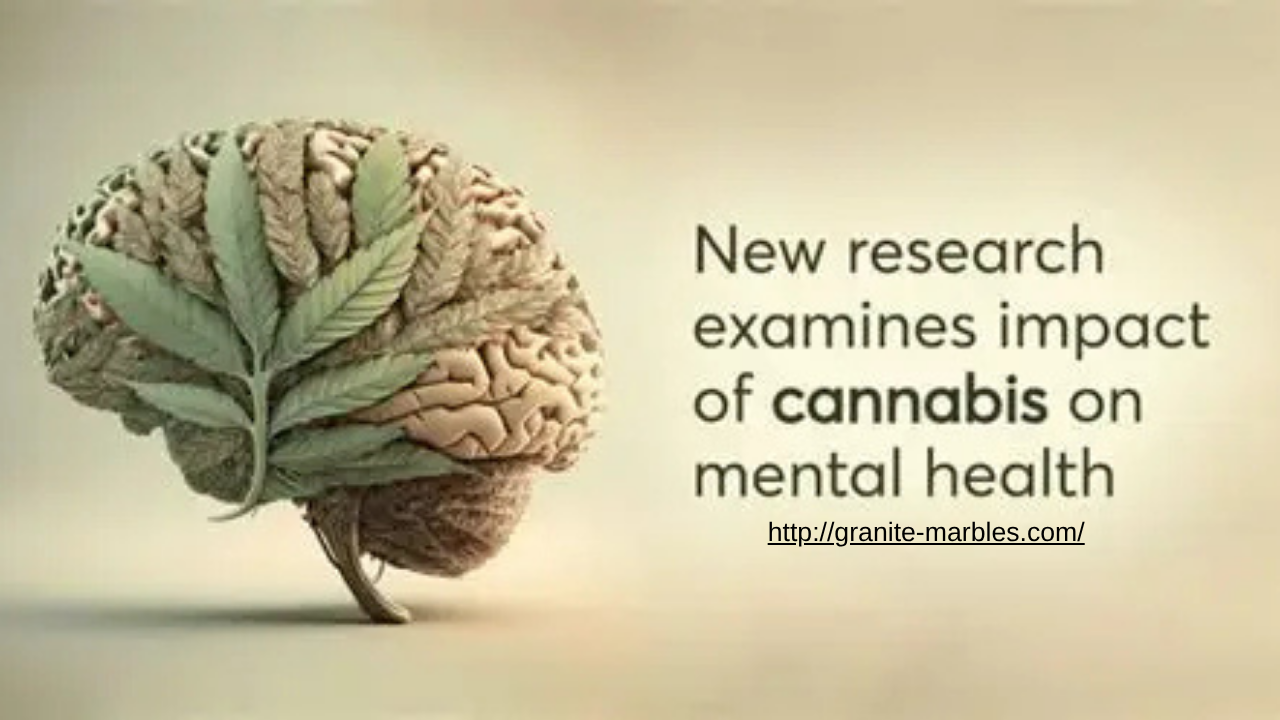
The Science of Marijuana Addiction: What Every User Should Know

Marijuana is often portrayed as a safe, casual substance, frequently used to relax, socialize, or manage stress. However, science shows that repeated use can lead to dependence, affecting both the brain and overall well-being. Understanding the biological and psychological mechanisms behind marijuana addiction is essential for anyone who uses cannabis, or for loved ones concerned about someone’s use.


How Marijuana Affects the Brain

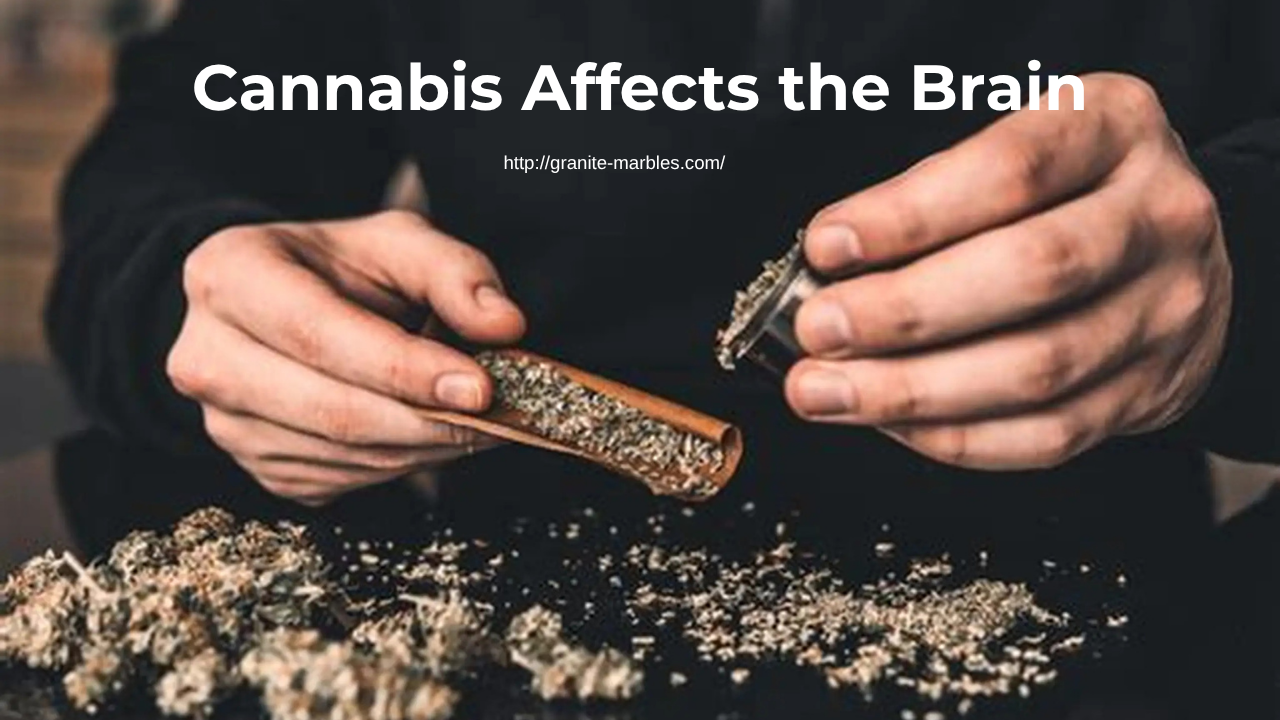
The main psychoactive compound in marijuana, tetrahydrocannabinol (THC), interacts with the brain’s endocannabinoid system, which regulates mood, reward, memory, and motivation. THC binds to cannabinoid receptors, producing the familiar high and feelings of relaxation.

With frequent use, the brain adapts to THC’s effects. Natural cannabinoid production may decrease, and dopamine signaling—the chemical messenger responsible for pleasure and reward—can become less responsive. This creates a situation where individuals may need larger or more frequent doses to achieve the same effects, a process known as tolerance.


Recognizing Cannabis Use Disorder

Cannabis Use Disorder (CUD) is the medical term for marijuana addiction. It occurs when a person struggles to control use, continues despite negative consequences, and experiences withdrawal symptoms when attempting to stop.

Signs of marijuana dependence include:

  • Using marijuana daily or in increasing amounts
  • Experiencing cravings or irritability when not using
  • Relying on cannabis to cope with stress, anxiety, or other emotions
  • Neglecting responsibilities at work, school, or home
  • Continuing use despite harmful effects on relationships or health

Withdrawal symptoms, though often milder than those from opioids or alcohol, can include insomnia, anxiety, mood swings, and loss of appetite, making quitting difficult without professional support.


Long-Term Effects on Mental and Emotional Health

Chronic marijuana use can have lasting impacts on mental and emotional health. Research indicates that frequent use may contribute to:

  • Anxiety and depression
  • Impaired memory, attention, and cognitive flexibility
  • Increased vulnerability to stress and emotional dysregulation
  • Reduced motivation and goal-directed behavior

Adolescents and young adults are particularly at risk. Early exposure to THC during brain development can heighten the risk of dependence and exacerbate long-term cognitive or emotional challenges.


Holistic Approaches to Recovery

At Granite Marbles, recovery is approached with compassion, professionalism, and an emphasis on holistic, individualized care. Overcoming marijuana dependence is not just about abstinence—it involves restoring balance in the mind, body, and spirit.

Treatment may include:

  • Inpatient and outpatient programs for structured or flexible recovery
  • Therapeutic counseling to address mental health concerns and behavioral patterns
  • Faith-based and holistic therapies that nurture spiritual and emotional well-being
  • Personalized recovery plans tailored to each client’s history, challenges, and goals

Through this comprehensive approach, individuals develop healthy coping mechanisms, regain emotional resilience, and reduce the risk of relapse.


Taking the Next Step

Understanding the science of marijuana addiction is the first step toward making informed choices. Dependence can develop gradually, often disguised as casual or recreational use. Recognizing warning signs early and seeking professional help can prevent long-term consequences and support lasting recovery.

Granite Marbles provides compassionate, expert care for individuals struggling with cannabis dependence. If you or a loved one is facing challenges with marijuana use, reaching out today can begin a journey toward healing, balance, and renewed purpose.

Take the first step toward recovery and holistic wellness with Granite Marbles. Support is available, and a healthier future is possible.

From Habit to Harm: How Marijuana Can Lead to Dependence

Marijuana is often viewed as a casual, low-risk substance, frequently used to relax, socialize, or manage stress. For many, it starts as a habit—an occasional indulgence that seems harmless. However, over time, repeated use can progress into dependence, affecting mental health, daily functioning, and overall well-being. Understanding how casual use can evolve into a deeper problem is essential for anyone looking to maintain control over their health or support a loved one.


Understanding Marijuana Dependence

Dependence is not just about frequent use; it is about how the brain and body adapt to the substance over time. The main psychoactive ingredient in marijuana, THC, interacts with the brain’s endocannabinoid system, which influences mood, reward, and motivation. Repeated exposure to THC can disrupt natural brain chemistry, creating a reliance on the drug to achieve feelings of pleasure or relaxation.

This process can lead to Cannabis Use Disorder (CUD), a recognized medical condition. People with CUD may continue using marijuana despite experiencing negative consequences, struggle to control their intake, and experience withdrawal symptoms when they stop.


Signs of Marijuana Dependence

Dependence often develops gradually, making it difficult to identify until it begins to impact daily life. Key signs include:

  • Needing to use marijuana more frequently or in larger amounts to achieve the same effect
  • Experiencing cravings or irritability when not using
  • Neglecting responsibilities at work, school, or home
  • Using marijuana as a primary coping mechanism for stress, anxiety, or emotional discomfort
  • Continuing use despite recognizing its negative impact on health or relationships

Withdrawal symptoms may include sleep disturbances, mood swings, decreased appetite, and restlessness. While typically milder than those associated with other substances, these symptoms can make quitting challenging without professional guidance.


Mental Health Implications

Long-term marijuana use can affect emotional and cognitive functioning. Research indicates that chronic use may contribute to:

  • Increased anxiety or depression
  • Impaired memory, focus, and decision-making abilities
  • Heightened vulnerability to stress and emotional dysregulation
  • Reduced motivation and productivity in daily life

Adolescents and young adults are particularly at risk. Early exposure to marijuana can interfere with brain development, increasing the likelihood of long-term mental health challenges and potential dependence.


Pathways to Recovery

At Granite Marbles, recovery is approached holistically, addressing both the physical and emotional aspects of addiction. Their programs combine clinical expertise with individualized care, helping clients regain control over their lives while promoting long-term wellness.

Core elements of treatment include:

  • Inpatient and outpatient care providing structure or flexibility as needed
  • Therapeutic counseling to address underlying mental health concerns
  • Faith-based and holistic approaches supporting spiritual, emotional, and physical well-being
  • Personalized recovery plans tailored to each individual’s history, goals, and challenges

Through this comprehensive approach, clients learn healthy coping strategies, develop resilience, and reduce the risk of relapse.


Taking Action Before Habit Becomes Harm

Marijuana use may start as a habit, but over time, it can progress into a cycle of dependence that affects every aspect of life. Recognizing the signs early and seeking professional support can prevent long-term consequences and support a healthier, more balanced lifestyle.

Granite Marbles provides compassionate, expert care for individuals struggling with marijuana dependence. If you or a loved one is experiencing challenges with cannabis use, reaching out today can be the first step toward lasting recovery, emotional balance, and renewed purpose.

Take the first step toward freedom and wellness with Granite Marbles. Recovery is possible, and help is available.

Beyond the High: The Hidden Risks of Long-Term Cannabis Use

Marijuana is often seen as a safe, natural way to relax, relieve stress, or enhance social experiences. With legalization and cultural acceptance growing, many assume long-term use comes without consequences. However, research and clinical experience reveal that prolonged cannabis use carries risks that are often overlooked. Understanding these hidden dangers is crucial for individuals considering their long-term health, mental well-being, and overall quality of life.


How Long-Term Use Impacts the Brain

The primary psychoactive compound in marijuana, THC, affects the brain’s endocannabinoid system, which regulates mood, memory, motivation, and reward. Repeated exposure can lead to structural and functional changes, including:

  • Altered dopamine signaling, which may affect motivation and pleasure
  • Impaired memory and learning, particularly in users who start at a young age
  • Difficulty regulating emotions, increasing vulnerability to anxiety and depression

These changes are gradual, often unnoticed in the early stages of use, making it easier for dependence to develop without immediate awareness.


Physical and Mental Health Risks

While cannabis is not associated with the same severe physical withdrawal as opioids or alcohol, long-term use can still affect overall health:

  • Respiratory issues for those who smoke cannabis regularly
  • Reduced cognitive performance, impacting focus, attention, and problem-solving
  • Increased risk of mental health conditions, including anxiety, depression, and in rare cases, psychosis
  • Dependence and withdrawal symptoms, which can include irritability, sleep disturbances, and cravings

For adolescents and young adults, the risks are heightened because their brains are still developing. Early and frequent use can have lasting effects on academic performance, social development, and emotional stability.


Recognizing Cannabis Dependence

Dependence often develops gradually, making it difficult to recognize. Key signs include:

  • Using cannabis daily or in increasing amounts
  • Relying on marijuana to manage stress, boredom, or emotions
  • Experiencing withdrawal symptoms when cutting back
  • Continuing use despite negative consequences at work, school, or in relationships

Early recognition is critical. Understanding these patterns allows individuals to take proactive steps before long-term use leads to deeper challenges.


Holistic Recovery and Support

At Granite Marbles, recovery from cannabis dependence is approached with compassion and personalization. The goal is not only to help individuals stop using marijuana but also to restore balance in mind, body, and spirit.

Recovery programs may include:

  • Inpatient and outpatient care to provide structure and flexibility
  • Therapeutic counseling to address co-occurring mental health concerns
  • Faith-based and holistic practices that nurture spiritual and emotional well-being
  • Personalized treatment plans that reflect each individual’s history, challenges, and goals

This comprehensive approach ensures that clients develop healthy coping strategies, rebuild emotional resilience, and regain control over their lives.


Taking the First Step Toward Lasting Wellness

Long-term cannabis use may seem harmless at first, but the hidden risks to mental, emotional, and physical health are significant. Recognizing these risks early and seeking professional support can prevent dependence from taking hold and promote lasting recovery.

Granite Marbles offers compassionate, expert guidance for individuals struggling with cannabis use. If you or a loved one is facing challenges with long-term marijuana use, reach out today to begin a journey toward holistic healing, renewed balance, and long-term wellness.

Take the first step toward a healthier, more empowered life with Granite Marbles.

Marijuana and Mental Health: When Relaxation Turns Into Dependence

Marijuana is widely perceived as a safe way to relax, ease stress, or unwind after a long day. Many users rely on it to manage anxiety, depression, or simply to escape from the pressures of daily life. While occasional use may not pose serious risks, repeated use can sometimes lead to dependence and negatively impact mental health. Understanding the relationship between marijuana and emotional well-being is crucial for anyone seeking to maintain balance or pursue recovery.


How Marijuana Affects Mental Health

THC, the primary psychoactive component in marijuana, interacts with the brain’s endocannabinoid system, which regulates mood, stress, and reward pathways. When THC stimulates these receptors, it produces feelings of euphoria and relaxation. Over time, however, repeated exposure can alter brain chemistry, creating a reliance on marijuana to regulate emotions or cope with stress.

This reliance can mask underlying issues, such as anxiety or depression, making it harder to address the root causes of emotional distress. For some, what begins as recreational use evolves into a cycle where marijuana is used to avoid negative feelings, rather than simply to enjoy a high.


Signs of Marijuana Dependence

Dependence often develops gradually, making it difficult to recognize until it begins affecting daily life. Some common indicators include:

  • Using marijuana daily or in increasing amounts
  • Feeling anxious, irritable, or restless without it
  • Neglecting responsibilities at work, school, or home
  • Relying on marijuana to manage stress or emotions
  • Experiencing sleep disturbances or mood swings when reducing use

Withdrawal symptoms, though generally milder than with substances like opioids or alcohol, can still be significant. Cravings, irritability, and insomnia are common challenges that make quitting on your own difficult.


The Mental Health Risks of Chronic Use

While occasional marijuana use may temporarily relieve stress, long-term or frequent use can exacerbate mental health concerns. Research has linked chronic cannabis use with:

  • Increased risk of anxiety and depression
  • Impaired memory, focus, and cognitive function
  • Heightened risk of psychosis in vulnerable individuals
  • Reduced motivation and emotional resilience

Adolescents and young adults are particularly susceptible, as their developing brains are more sensitive to THC’s effects. Early exposure can influence emotional regulation, learning, and long-term mental health outcomes.


Holistic Recovery and Support

At Granite Marbles, recovery from marijuana dependence focuses on healing the mind, body, and spirit. Recognizing the interplay between addiction and mental health is central to treatment. Programs integrate clinical care with holistic approaches to support lasting wellness.

Key elements of recovery may include:

  • Inpatient and outpatient programs to provide structured or flexible care
  • Therapeutic counseling to address underlying mental health challenges
  • Faith-based guidance for those seeking spiritual support
  • Mindfulness, nutrition, and wellness practices to strengthen emotional and physical health
  • Personalized recovery plans tailored to individual needs, goals, and histories

This comprehensive approach helps individuals not only stop using marijuana but also build healthy coping strategies, restore emotional balance, and regain control of their lives.


Taking the First Step Toward Mental Wellness

Marijuana use may seem harmless, but dependence can quietly affect mental health and daily functioning. Recognizing the signs early and seeking professional support can prevent long-term consequences.

Granite Marbles provides compassionate, individualized care to help individuals overcome marijuana dependence while addressing mental health needs. If you or a loved one is struggling with cannabis use, reaching out is the first step toward recovery, balance, and renewed hope.

Take control today and begin your journey toward holistic healing and mental wellness with Granite Marbles.

Breaking the Green Illusion: Understanding the Truth About Marijuana Addiction

For years, marijuana has been portrayed as a harmless, natural way to relax or ease stress. Many believe it is safer than other substances, leading to the misconception that it cannot be addictive. However, modern science tells a more complex story. While marijuana may not cause the same rapid physical dependence as opioids or alcohol, it can still lead to powerful psychological and behavioral dependence that disrupts a person’s life, relationships, and health. Understanding marijuana addiction is essential for anyone seeking to make informed choices or begin a path to recovery.


What Marijuana Addiction Really Means

Addiction is not just about the substance itself. It is about how the brain and body respond to it over time. Marijuana affects the brain’s reward system, primarily through tetrahydrocannabinol (THC), its main psychoactive compound. THC stimulates dopamine release, producing feelings of relaxation or euphoria. With frequent use, the brain begins to rely on these external chemical cues, reducing its natural dopamine production.

This process can lead to Cannabis Use Disorder (CUD), a condition recognized by the American Psychiatric Association. People struggling with CUD may find it difficult to control their marijuana use, even when it causes problems in their personal, professional, or emotional lives.


Common Signs of Marijuana Dependence

Identifying addiction can be challenging, especially when a substance is widely accepted and easily accessible. However, marijuana dependence often presents with clear behavioral and physical patterns.

Common signs include:

  • Using marijuana daily or multiple times a day
  • Needing more of the drug to achieve the same effect (tolerance)
  • Experiencing irritability, anxiety, or sleep issues when not using
  • Avoiding social activities that do not involve marijuana
  • Continuing use despite negative consequences

Withdrawal symptoms are also a strong indicator of dependence. While not as severe as those associated with other drugs, symptoms such as restlessness, mood swings, and loss of appetite can make it difficult for someone to quit without support.


The Science Behind Dependence

THC alters how the brain communicates by interacting with cannabinoid receptors that influence mood, memory, and motivation. Over time, this disrupts natural balance and may cause long-term cognitive and emotional changes. Studies have shown that heavy marijuana use, especially when it begins in adolescence, can impair memory, attention, and emotional regulation.

Dependence develops gradually, often disguised as casual or recreational use. What starts as an occasional habit to relax can evolve into a coping mechanism for stress or anxiety, eventually becoming a barrier to mental and emotional well-being.


Healing Through Holistic and Individualized Care

At Granite Marbles, recovery is about more than simply quitting marijuana. It is about restoring balance in body, mind, and spirit. Each person’s journey is unique, which is why individualized care is at the heart of every treatment plan.

Comprehensive support may include:

  • Inpatient and outpatient programs for structured recovery and flexibility
  • Therapeutic counseling to address underlying emotional or mental health issues
  • Faith-based and holistic therapies that nurture personal growth and spiritual renewal
  • Relapse prevention planning to help clients sustain long-term wellness

Through compassionate care, individuals learn not only how to stop using marijuana but also how to rebuild a fulfilling life without relying on it.


Choosing Recovery Over Dependence

Breaking free from marijuana addiction takes courage, support, and the right treatment approach. Recovery is possible when you have professionals who understand both the science of addiction and the importance of personal healing.

If you or someone you love is struggling with marijuana dependence, you are not alone. Granite Marbles is here to help you rediscover strength, balance, and hope. Reach out today to learn more about our holistic and faith-based addiction recovery programs.

Take the first step toward clarity and healing. Let Granite Marbles guide you beyond the green illusion to a life of true freedom and wellness.

The Truth About THC: Understanding Marijuana’s Addictive Potential

For years, marijuana has been promoted as a harmless or even therapeutic substance. While cannabis can have legitimate medical uses, the growing potency of its main psychoactive compound, THC (tetrahydrocannabinol), has raised new concerns about addiction and long-term brain health. As science continues to evolve, it’s becoming clear that marijuana’s addictive potential is real, and understanding how THC affects the brain is key to preventing and treating dependence.

What Is THC and How Does It Affect the Brain?

THC is the chemical in marijuana responsible for the “high” that users experience. It interacts with the brain’s endocannabinoid system, which regulates pleasure, memory, coordination, and motivation. When THC binds to cannabinoid receptors, it triggers feelings of relaxation and euphoria. However, with repeated use, the brain begins to adapt to the constant stimulation, disrupting natural balance and reward mechanisms.

The Cycle of Dependence

Over time, the brain becomes less sensitive to its own natural cannabinoids. This means that users need more THC to achieve the same effects, a process known as tolerance. As dependence develops, stopping marijuana use can lead to withdrawal symptoms such as irritability, anxiety, insomnia, and decreased appetite. These symptoms can make quitting difficult without proper guidance and support.

Why Today’s Marijuana Is Stronger and More Addictive

Modern marijuana is not the same as it was decades ago. The average THC concentration in cannabis products has increased significantly, with some concentrates reaching levels above 80 percent. This rise in potency can intensify the drug’s effects, increasing the risk of addiction, mental health complications, and cognitive decline.

High-Potency Products and the Brain

High-THC products such as oils, waxes, and edibles can deliver intense doses that overwhelm the brain’s natural chemistry. Frequent exposure to these elevated levels of THC may contribute to stronger cravings and more severe withdrawal symptoms. Research has also linked heavy use to an increased risk of anxiety, paranoia, and in some cases, psychosis.

Recognizing the Signs of Marijuana Addiction

Many people underestimate how easily marijuana dependence can develop. Recognizing the warning signs early is crucial to preventing deeper addiction.

Common symptoms include:

  • Needing to use marijuana regularly to feel relaxed or happy
  • Experiencing cravings or withdrawal when not using
  • Spending excessive time obtaining or using marijuana
  • Neglecting responsibilities at work, school, or home
  • Struggling to quit despite repeated attempts

If these signs sound familiar, professional support can make all the difference in achieving lasting recovery.

Holistic Healing and Treatment for Cannabis Dependence

At Granite Marbles, recovery from marijuana addiction is guided by compassion, understanding, and evidence-based care. Their programs focus on healing both the mind and body, combining clinical expertise with holistic practices.

A Personalized Approach

Every individual’s journey with addiction is different. Granite Marbles offers customized treatment plans that may include therapy, counseling, and peer support. Whether through inpatient care for structured recovery or outpatient programs that allow clients to maintain daily responsibilities, each path is tailored to fit personal needs and goals.

Integrating Faith and Wellness

Healing from addiction involves more than abstinence. Granite Marbles believes in nurturing the whole person—spiritually, emotionally, and physically. Faith-based support, mindfulness training, and healthy lifestyle guidance all play a vital role in restoring balance and purpose.

The Path Forward

Understanding the truth about THC is the first step in breaking free from marijuana dependence. While cannabis may seem harmless to some, its effects on the brain can be powerful and long-lasting. Fortunately, recovery is possible with the right support, structure, and compassion.

If you or a loved one is struggling with marijuana use, Granite Marbles can help. Their team of caring professionals is dedicated to providing the tools and encouragement needed for a full and lasting recovery. Reach out today to begin your journey toward clarity, healing, and renewed hope.

Addicted to Weed? Separating Myth from Medical Reality

Marijuana is often portrayed as a harmless, natural substance, but the truth is more complex. While many people use cannabis without serious consequences, for others, repeated use can lead to dependence and addiction. Understanding the realities of marijuana use, backed by science and clinical experience, is essential for individuals and families seeking clarity, prevention, or treatment.

Understanding Cannabis Use Disorder

Cannabis Use Disorder, sometimes referred to as marijuana addiction, occurs when individuals are unable to control their use despite negative consequences in their daily lives. Dependence develops over time, often without immediate recognition, and can include physical, psychological, and behavioral components.

How Dependence Develops

THC, the psychoactive component in marijuana, interacts with the brain’s endocannabinoid system, which influences mood, reward, memory, and motivation. With repeated use, the brain adapts to THC, reducing its sensitivity and reinforcing a cycle of continued use. Over time, users may notice cravings, tolerance, and withdrawal symptoms when they try to stop.

Common Signs of Dependence

  • Needing more marijuana to achieve the same effects
  • Struggling to cut back despite wanting to
  • Using marijuana even when it interferes with work, school, or relationships
  • Experiencing withdrawal symptoms such as irritability, sleep difficulties, anxiety, or appetite changes
  • Relying on cannabis to manage stress, emotions, or daily challenges

Myths About Marijuana Addiction

Myth 1: Marijuana is not addictive

Scientific research shows that dependence is real. About 1 in 10 marijuana users will develop Cannabis Use Disorder, and that number rises for adolescents and frequent users.

Myth 2: Only heavy users become addicted

Even moderate users can develop psychological dependence, especially with today’s high-potency strains and concentrates.

Myth 3: Quitting is easy

Withdrawal symptoms, cravings, and psychological reliance make quitting challenging without proper support and structured treatment.

The Connection Between Marijuana and Mental Health

Marijuana use can have both short-term and long-term effects on mental health. While some individuals use it to relax or manage anxiety, chronic use can worsen depression, anxiety, and cognitive challenges. Adolescents and young adults are particularly vulnerable, as their brains are still developing, increasing the risk of long-term cognitive and emotional impacts.

Treatment and Recovery Options

At Granite Marbles, recovery from cannabis dependence is approached with compassion, professionalism, and a focus on the whole person. Their programs integrate mental health support, holistic practices, and individualized care.

Holistic and Faith-Based Approaches

  • Mindfulness and wellness practices such as meditation, exercise, and nutrition support
  • Faith-based guidance for those seeking spiritual strength and purpose
  • Counseling and behavioral therapies to address underlying triggers and build coping skills

Inpatient and Outpatient Care

Granite Marbles offers flexible care options that meet clients where they are, providing the right level of support for each individual’s recovery journey.

Personalized Recovery Plans

Every client receives an individualized plan that considers their history, mental health needs, and personal goals, ensuring a comprehensive approach to healing.

Taking the First Step Toward Recovery

Marijuana dependence is more than just a habit. It is a medical reality that can affect health, relationships, and overall quality of life. Understanding the facts, recognizing warning signs, and seeking professional support are critical steps toward lasting recovery.

Granite Marbles provides compassionate, expert care to help individuals overcome cannabis dependence and reclaim their lives. If you or a loved one is struggling with marijuana use, reach out today and begin a path toward healing, balance, and long-term wellness.

Rethinking Marijuana: What Modern Science Reveals About Dependence

Marijuana has long been portrayed as a safe and harmless substance. With growing legalization and social acceptance, many people assume that occasional or even frequent use carries little risk. However, modern research tells a more nuanced story. While cannabis may offer benefits for some individuals, it also carries the potential for dependence, especially with chronic use or high-potency products. Understanding how marijuana can affect the brain and behavior is critical for those seeking clarity, prevention, or recovery.

Understanding Cannabis Dependence

Cannabis dependence, often called Cannabis Use Disorder (CUD), occurs when someone cannot control their marijuana use despite negative effects on their life. Dependence is both psychological and physical. Over time, repeated exposure to THC, the psychoactive compound in marijuana, changes the brain’s reward system. This can create cravings, increase tolerance, and trigger withdrawal symptoms when use is reduced or stopped.

Key Statistics

Research indicates that about 9 percent of marijuana users develop CUD, with higher risks for adolescents and daily users. Early exposure during brain development increases vulnerability, while high-frequency or high-potency use accelerates the risk of dependence.

How Dependence Develops Over Time

Changes in the Brain

THC binds to cannabinoid receptors in the brain, which influence mood, memory, and motivation. With repeated use, these receptors adjust, leading to decreased sensitivity and reinforcing the cycle of use. The result is a growing reliance on marijuana to feel pleasure, manage stress, or cope with daily challenges.

Withdrawal Symptoms

When dependence develops, stopping marijuana can produce noticeable withdrawal symptoms. These may include irritability, sleep disturbances, anxiety, appetite changes, and mood swings. Even mild withdrawal can be challenging, highlighting the importance of professional support for those trying to quit.

Psychological and Emotional Dependence

Beyond physical adaptation, many individuals develop a psychological reliance on cannabis. They may use marijuana as a primary coping mechanism for stress, anxiety, or emotional discomfort, making cessation more difficult without alternative coping strategies.

Risk Factors and Vulnerable Populations

Adolescents, young adults, and individuals with pre-existing mental health conditions face a higher risk of developing dependence. Family history of addiction, chronic stress, or trauma can also increase susceptibility. Recognizing these risk factors allows for early intervention and support to prevent long-term challenges.

Holistic and Personalized Recovery

At Granite Marbles, treatment for cannabis dependence is tailored to each individual’s unique needs. Recovery programs integrate evidence-based approaches with holistic care, including:

  • Inpatient and outpatient programs for flexible support
  • Mental health counseling to address co-occurring conditions
  • Holistic practices such as mindfulness, nutrition, and exercise
  • Faith-based guidance for spiritual support
  • Personalized treatment plans that reflect each client’s history and goals

These methods address both the physical and emotional aspects of dependence, empowering individuals to reclaim control and build sustainable wellness.

Taking the Next Step

Marijuana may seem harmless, but dependence is a real and growing concern. By understanding the science and recognizing warning signs, individuals can take proactive steps toward recovery. With compassionate, professional care, healing and balance are possible.

If you or a loved one is struggling with cannabis use, Granite Marbles provides expert guidance and holistic support to help you navigate the path to recovery. Reach out today to begin a journey toward lasting health, resilience, and freedom.

Cannabis and the Brain: How Addiction Develops Over Time

Cannabis is often seen as a harmless way to relax, ease stress, or even manage medical conditions. While many people use marijuana without immediate harm, research shows that long-term and frequent use can change how the brain functions. These changes can gradually increase the risk of dependence and addiction. Understanding how cannabis interacts with the brain is an important step toward recognizing when use shifts from occasional recreation to a pattern that requires professional support.

How Cannabis Affects the Brain

The main psychoactive compound in cannabis, THC, binds to the brain’s cannabinoid receptors. These receptors are concentrated in areas responsible for memory, motivation, coordination, and reward. When THC activates these receptors, it triggers the release of dopamine, the chemical linked to pleasure and reinforcement.

This process explains the euphoric “high” that marijuana produces. However, repeated overstimulation of this system can disrupt the brain’s natural balance. Over time, the brain begins to rely on cannabis to regulate mood and reward, setting the stage for dependence.

The Gradual Development of Dependence

Tolerance Builds Over Time

With continued use, the brain adapts by reducing its sensitivity to THC. This means individuals need more cannabis to feel the same effects. This pattern, known as tolerance, often leads to increased frequency or quantity of use.

Withdrawal Symptoms Appear

When the brain becomes accustomed to regular cannabis intake, stopping or cutting back can lead to withdrawal symptoms. Common experiences include irritability, insomnia, decreased appetite, anxiety, and strong cravings. These symptoms can make it difficult for individuals to quit on their own.

Psychological and Emotional Reliance

Addiction is not only physical but also psychological. For many, marijuana becomes a tool to manage stress, anxiety, or boredom. Over time, reliance on cannabis to cope with emotions or daily challenges can create a cycle that is hard to break.

The Impact on Young Brains

Adolescents and young adults are at greater risk of developing cannabis addiction because their brains are still developing. Regular marijuana use during these years can affect memory, learning, and decision-making skills. It can also increase vulnerability to mental health challenges such as depression, anxiety, or psychosis in some individuals. Early intervention and education are key to reducing these risks.

Recognizing the Signs of Cannabis Use Disorder

It can be difficult to know when cannabis use has crossed the line into dependence. Warning signs include:

  • Needing more cannabis to achieve the same effect
  • Struggling to cut back despite wanting to
  • Experiencing withdrawal symptoms without use
  • Using cannabis even when it interferes with work, school, or relationships
  • Relying on marijuana to manage emotions or daily stress

A Holistic Path to Healing

At Granite Marbles, recovery is about addressing the whole person, not just the substance use. Services are designed to meet individuals where they are and guide them toward lasting change. Treatment options include:

  • Inpatient and outpatient care for flexible, individualized treatment
  • Mental health support to address underlying issues such as anxiety or depression
  • Holistic practices like mindfulness, fitness, and nutrition to strengthen body and mind
  • Faith-based guidance for those who seek spiritual healing
  • Personalized care plans that reflect each person’s unique journey

Moving Toward Balance and Recovery

Cannabis can change the brain over time, increasing the risk of dependence and addiction. By understanding how these changes occur, individuals and families can recognize the warning signs early and seek the right help. With compassionate, holistic treatment, recovery is not only possible but can lead to a healthier, more fulfilling life.

If you or someone you love is struggling with cannabis use, Granite Marbles is here to provide expert care and guidance. Reach out today to begin the journey toward healing, balance, and long-term recovery.