
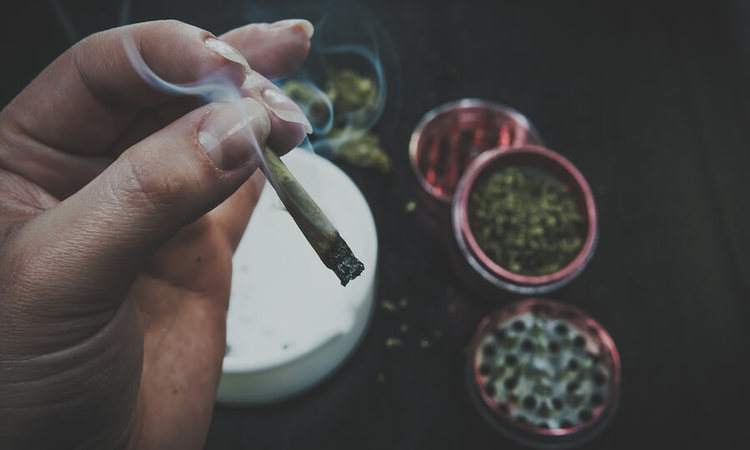
Marijuana is often used to relax or manage stress, but for some individuals, regular use can contribute to complex challenges when mental health concerns are also present. Co-occurring disorders, where addiction and mental health conditions exist simultaneously, require specialized care and understanding. Recognizing how marijuana use interacts with mental health is essential for anyone seeking lasting recovery.
Understanding Co-Occurring Disorders
Co-occurring disorders involve both substance use and mental health conditions. Marijuana can sometimes mask symptoms of anxiety, depression, or trauma, providing temporary relief while underlying issues remain untreated. Over time, this can create a cycle where the brain relies on cannabis to manage emotions, increasing the risk of dependence.
How Marijuana Impacts Mental Health
Cannabis affects the brain’s chemistry, influencing mood, motivation, and cognitive function. While occasional use may have minimal impact, chronic use can exacerbate anxiety, depressive symptoms, or emotional instability. For those already experiencing mental health challenges, marijuana may intensify symptoms rather than provide relief.
Recognizing the Signs
Some signs that mental health and marijuana use are affecting each other include:
- Using cannabis to cope with stress or emotional discomfort
- Increased anxiety or irritability when not using
- Mood swings or depressive symptoms that worsen with use
- Difficulty focusing, sleeping, or maintaining daily responsibilities
Identifying these patterns early allows for timely intervention and more effective treatment.
The Importance of Integrated Care
Addressing marijuana addiction alongside mental health concerns requires a comprehensive, integrated approach. Treating one without the other often leads to incomplete recovery and a higher risk of relapse.
Inpatient and Outpatient Programs
Inpatient treatment provides a structured environment with 24-hour support, therapy, and medical supervision. Outpatient programs allow individuals to receive professional care while maintaining daily routines. Both options focus on developing coping skills, managing cravings, and building emotional resilience.
Holistic and Individualized Approaches
Holistic therapies support the mind, body, and spirit during recovery. Mindfulness practices, yoga, exercise, and nutrition counseling can improve emotional balance and reduce stress. Individualized treatment plans ensure care is tailored to each person’s unique challenges, goals, and life circumstances, improving long-term outcomes.
Faith-Based Support
For those who value spirituality, faith-based programs offer guidance, hope, and purpose. Integrating faith into recovery can strengthen motivation and provide a supportive community, complementing clinical therapies.
Practical Steps for Managing Co-Occurring Challenges
Taking proactive steps can help individuals navigate the intersection of marijuana use and mental health:
- Seek assessment from a qualified professional for both addiction and mental health concerns.
- Track symptoms and triggers to better understand patterns of use and emotional responses.
- Develop healthy coping mechanisms such as meditation, journaling, or exercise.
- Build a supportive network of family, friends, or peer groups.
- Commit to a treatment plan that addresses both substance use and mental health holistically.
Even small, consistent actions can make recovery more manageable and sustainable.
Conclusion
Marijuana use and mental health challenges often intersect, creating complex patterns that require thoughtful, compassionate care. Recovery is possible through integrated treatment that addresses both substance use and mental health while supporting the whole person. Granite Marbles offers individualized, holistic, inpatient, outpatient, and faith-based programs designed to help clients navigate these challenges and achieve lasting recovery. Taking the first step to seek support is an important act of courage and a gateway to a healthier, more balanced life.