
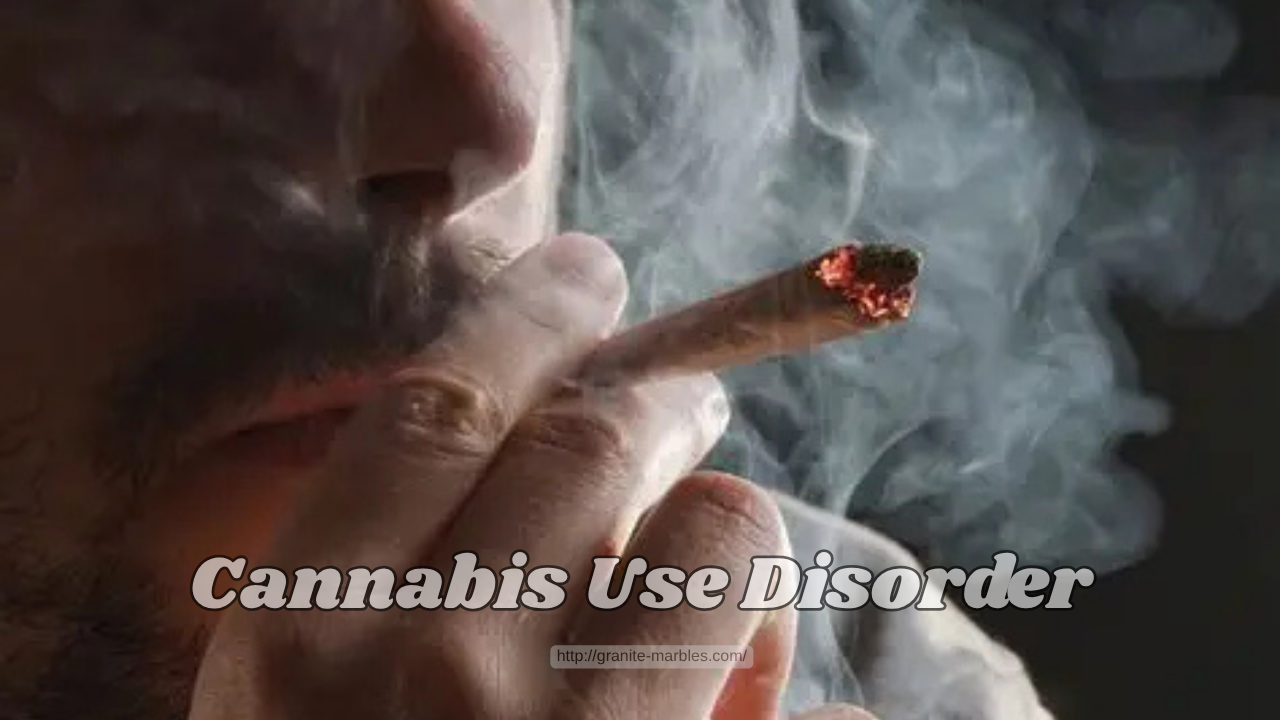
Marijuana is often portrayed as a harmless, natural substance, but the truth is more complex. While many people use cannabis without serious consequences, for others, repeated use can lead to dependence and addiction. Understanding the realities of marijuana use, backed by science and clinical experience, is essential for individuals and families seeking clarity, prevention, or treatment.
Understanding Cannabis Use Disorder
Cannabis Use Disorder, sometimes referred to as marijuana addiction, occurs when individuals are unable to control their use despite negative consequences in their daily lives. Dependence develops over time, often without immediate recognition, and can include physical, psychological, and behavioral components.
How Dependence Develops
THC, the psychoactive component in marijuana, interacts with the brain’s endocannabinoid system, which influences mood, reward, memory, and motivation. With repeated use, the brain adapts to THC, reducing its sensitivity and reinforcing a cycle of continued use. Over time, users may notice cravings, tolerance, and withdrawal symptoms when they try to stop.
Common Signs of Dependence
- Needing more marijuana to achieve the same effects
- Struggling to cut back despite wanting to
- Using marijuana even when it interferes with work, school, or relationships
- Experiencing withdrawal symptoms such as irritability, sleep difficulties, anxiety, or appetite changes
- Relying on cannabis to manage stress, emotions, or daily challenges
Myths About Marijuana Addiction
Myth 1: Marijuana is not addictive
Scientific research shows that dependence is real. About 1 in 10 marijuana users will develop Cannabis Use Disorder, and that number rises for adolescents and frequent users.
Myth 2: Only heavy users become addicted
Even moderate users can develop psychological dependence, especially with today’s high-potency strains and concentrates.
Myth 3: Quitting is easy
Withdrawal symptoms, cravings, and psychological reliance make quitting challenging without proper support and structured treatment.
The Connection Between Marijuana and Mental Health
Marijuana use can have both short-term and long-term effects on mental health. While some individuals use it to relax or manage anxiety, chronic use can worsen depression, anxiety, and cognitive challenges. Adolescents and young adults are particularly vulnerable, as their brains are still developing, increasing the risk of long-term cognitive and emotional impacts.
Treatment and Recovery Options
At Granite Marbles, recovery from cannabis dependence is approached with compassion, professionalism, and a focus on the whole person. Their programs integrate mental health support, holistic practices, and individualized care.
Holistic and Faith-Based Approaches
- Mindfulness and wellness practices such as meditation, exercise, and nutrition support
- Faith-based guidance for those seeking spiritual strength and purpose
- Counseling and behavioral therapies to address underlying triggers and build coping skills
Inpatient and Outpatient Care
Granite Marbles offers flexible care options that meet clients where they are, providing the right level of support for each individual’s recovery journey.
Personalized Recovery Plans
Every client receives an individualized plan that considers their history, mental health needs, and personal goals, ensuring a comprehensive approach to healing.
Taking the First Step Toward Recovery
Marijuana dependence is more than just a habit. It is a medical reality that can affect health, relationships, and overall quality of life. Understanding the facts, recognizing warning signs, and seeking professional support are critical steps toward lasting recovery.
Granite Marbles provides compassionate, expert care to help individuals overcome cannabis dependence and reclaim their lives. If you or a loved one is struggling with marijuana use, reach out today and begin a path toward healing, balance, and long-term wellness.