
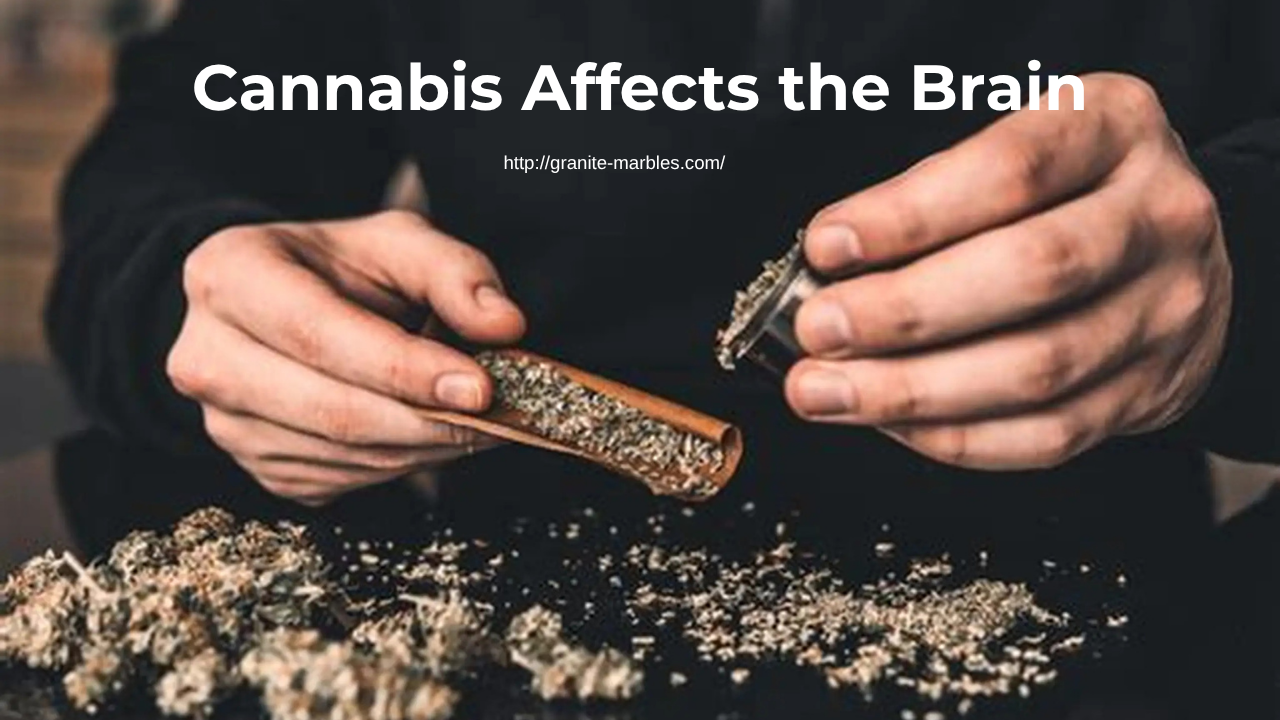
Cannabis is often seen as a harmless way to relax, ease stress, or even manage medical conditions. While many people use marijuana without immediate harm, research shows that long-term and frequent use can change how the brain functions. These changes can gradually increase the risk of dependence and addiction. Understanding how cannabis interacts with the brain is an important step toward recognizing when use shifts from occasional recreation to a pattern that requires professional support.
How Cannabis Affects the Brain
The main psychoactive compound in cannabis, THC, binds to the brain’s cannabinoid receptors. These receptors are concentrated in areas responsible for memory, motivation, coordination, and reward. When THC activates these receptors, it triggers the release of dopamine, the chemical linked to pleasure and reinforcement.
This process explains the euphoric “high” that marijuana produces. However, repeated overstimulation of this system can disrupt the brain’s natural balance. Over time, the brain begins to rely on cannabis to regulate mood and reward, setting the stage for dependence.
The Gradual Development of Dependence
Tolerance Builds Over Time
With continued use, the brain adapts by reducing its sensitivity to THC. This means individuals need more cannabis to feel the same effects. This pattern, known as tolerance, often leads to increased frequency or quantity of use.
Withdrawal Symptoms Appear
When the brain becomes accustomed to regular cannabis intake, stopping or cutting back can lead to withdrawal symptoms. Common experiences include irritability, insomnia, decreased appetite, anxiety, and strong cravings. These symptoms can make it difficult for individuals to quit on their own.
Psychological and Emotional Reliance
Addiction is not only physical but also psychological. For many, marijuana becomes a tool to manage stress, anxiety, or boredom. Over time, reliance on cannabis to cope with emotions or daily challenges can create a cycle that is hard to break.
The Impact on Young Brains
Adolescents and young adults are at greater risk of developing cannabis addiction because their brains are still developing. Regular marijuana use during these years can affect memory, learning, and decision-making skills. It can also increase vulnerability to mental health challenges such as depression, anxiety, or psychosis in some individuals. Early intervention and education are key to reducing these risks.
Recognizing the Signs of Cannabis Use Disorder
It can be difficult to know when cannabis use has crossed the line into dependence. Warning signs include:
- Needing more cannabis to achieve the same effect
- Struggling to cut back despite wanting to
- Experiencing withdrawal symptoms without use
- Using cannabis even when it interferes with work, school, or relationships
- Relying on marijuana to manage emotions or daily stress
A Holistic Path to Healing
At Granite Marbles, recovery is about addressing the whole person, not just the substance use. Services are designed to meet individuals where they are and guide them toward lasting change. Treatment options include:
- Inpatient and outpatient care for flexible, individualized treatment
- Mental health support to address underlying issues such as anxiety or depression
- Holistic practices like mindfulness, fitness, and nutrition to strengthen body and mind
- Faith-based guidance for those who seek spiritual healing
- Personalized care plans that reflect each person’s unique journey
Moving Toward Balance and Recovery
Cannabis can change the brain over time, increasing the risk of dependence and addiction. By understanding how these changes occur, individuals and families can recognize the warning signs early and seek the right help. With compassionate, holistic treatment, recovery is not only possible but can lead to a healthier, more fulfilling life.
If you or someone you love is struggling with cannabis use, Granite Marbles is here to provide expert care and guidance. Reach out today to begin the journey toward healing, balance, and long-term recovery.