Monthly Archives: November 2025

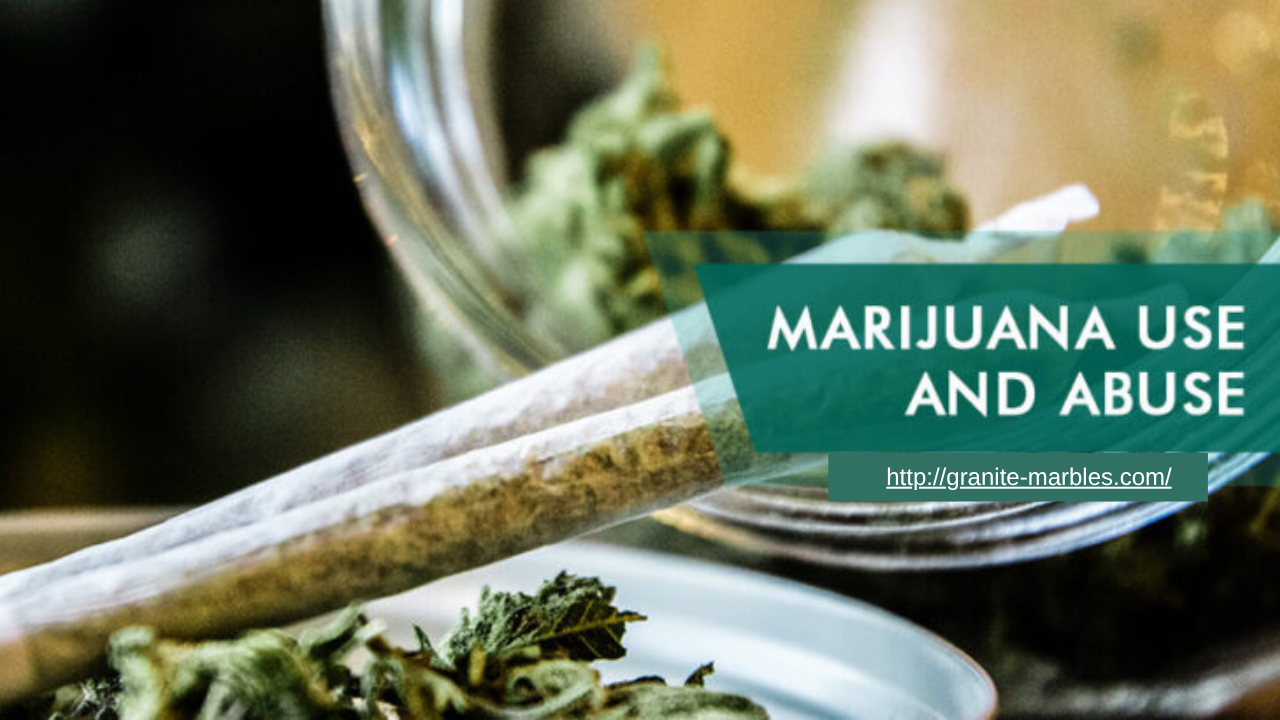
Beyond the High: The Hidden Risks of Long-Term Cannabis Use

Marijuana is often seen as a safe, natural way to relax, relieve stress, or enhance social experiences. With legalization and cultural acceptance growing, many assume long-term use comes without consequences. However, research and clinical experience reveal that prolonged cannabis use carries risks that are often overlooked. Understanding these hidden dangers is crucial for individuals considering their long-term health, mental well-being, and overall quality of life.


How Long-Term Use Impacts the Brain

The primary psychoactive compound in marijuana, THC, affects the brain’s endocannabinoid system, which regulates mood, memory, motivation, and reward. Repeated exposure can lead to structural and functional changes, including:

  • Altered dopamine signaling, which may affect motivation and pleasure
  • Impaired memory and learning, particularly in users who start at a young age
  • Difficulty regulating emotions, increasing vulnerability to anxiety and depression

These changes are gradual, often unnoticed in the early stages of use, making it easier for dependence to develop without immediate awareness.


Physical and Mental Health Risks

While cannabis is not associated with the same severe physical withdrawal as opioids or alcohol, long-term use can still affect overall health:

  • Respiratory issues for those who smoke cannabis regularly
  • Reduced cognitive performance, impacting focus, attention, and problem-solving
  • Increased risk of mental health conditions, including anxiety, depression, and in rare cases, psychosis
  • Dependence and withdrawal symptoms, which can include irritability, sleep disturbances, and cravings

For adolescents and young adults, the risks are heightened because their brains are still developing. Early and frequent use can have lasting effects on academic performance, social development, and emotional stability.


Recognizing Cannabis Dependence

Dependence often develops gradually, making it difficult to recognize. Key signs include:

  • Using cannabis daily or in increasing amounts
  • Relying on marijuana to manage stress, boredom, or emotions
  • Experiencing withdrawal symptoms when cutting back
  • Continuing use despite negative consequences at work, school, or in relationships

Early recognition is critical. Understanding these patterns allows individuals to take proactive steps before long-term use leads to deeper challenges.


Holistic Recovery and Support

At Granite Marbles, recovery from cannabis dependence is approached with compassion and personalization. The goal is not only to help individuals stop using marijuana but also to restore balance in mind, body, and spirit.

Recovery programs may include:

  • Inpatient and outpatient care to provide structure and flexibility
  • Therapeutic counseling to address co-occurring mental health concerns
  • Faith-based and holistic practices that nurture spiritual and emotional well-being
  • Personalized treatment plans that reflect each individual’s history, challenges, and goals

This comprehensive approach ensures that clients develop healthy coping strategies, rebuild emotional resilience, and regain control over their lives.


Taking the First Step Toward Lasting Wellness

Long-term cannabis use may seem harmless at first, but the hidden risks to mental, emotional, and physical health are significant. Recognizing these risks early and seeking professional support can prevent dependence from taking hold and promote lasting recovery.

Granite Marbles offers compassionate, expert guidance for individuals struggling with cannabis use. If you or a loved one is facing challenges with long-term marijuana use, reach out today to begin a journey toward holistic healing, renewed balance, and long-term wellness.

Take the first step toward a healthier, more empowered life with Granite Marbles.
Marijuana and Mental Health: When Relaxation Turns Into Dependence

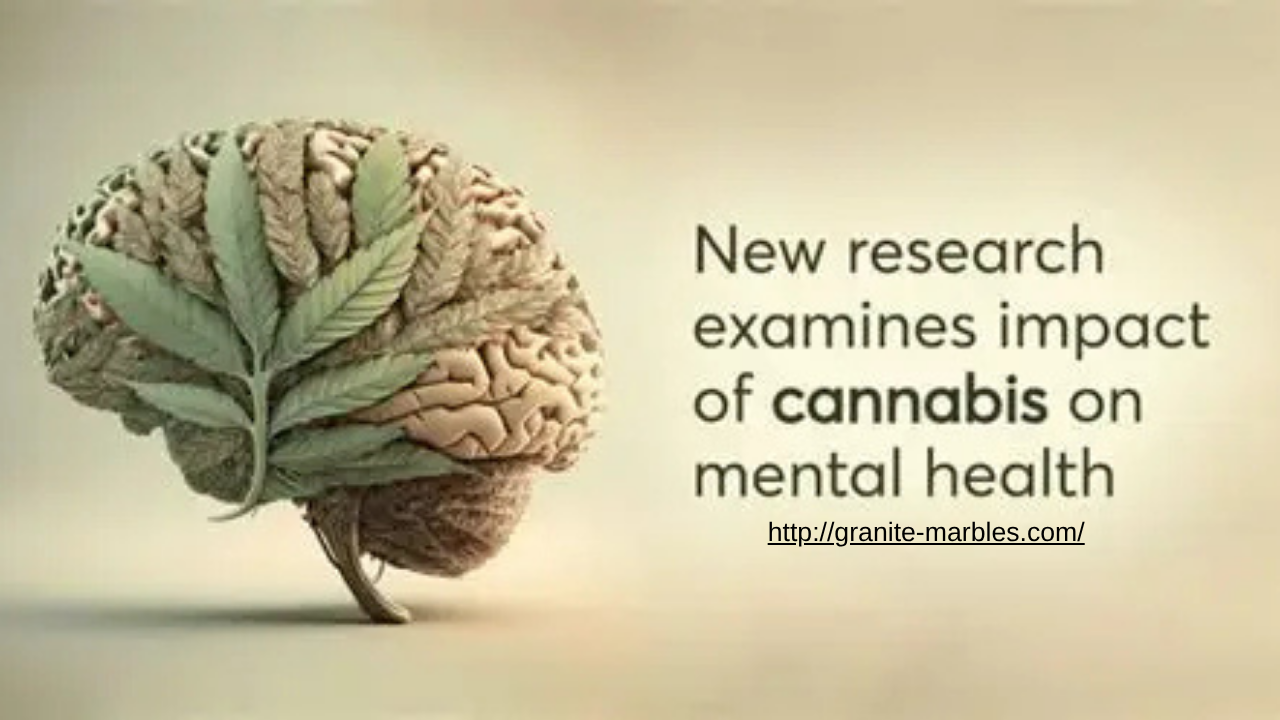
Marijuana is widely perceived as a safe way to relax, ease stress, or unwind after a long day. Many users rely on it to manage anxiety, depression, or simply to escape from the pressures of daily life. While occasional use may not pose serious risks, repeated use can sometimes lead to dependence and negatively impact mental health. Understanding the relationship between marijuana and emotional well-being is crucial for anyone seeking to maintain balance or pursue recovery.


How Marijuana Affects Mental Health

THC, the primary psychoactive component in marijuana, interacts with the brain’s endocannabinoid system, which regulates mood, stress, and reward pathways. When THC stimulates these receptors, it produces feelings of euphoria and relaxation. Over time, however, repeated exposure can alter brain chemistry, creating a reliance on marijuana to regulate emotions or cope with stress.

This reliance can mask underlying issues, such as anxiety or depression, making it harder to address the root causes of emotional distress. For some, what begins as recreational use evolves into a cycle where marijuana is used to avoid negative feelings, rather than simply to enjoy a high.


Signs of Marijuana Dependence

Dependence often develops gradually, making it difficult to recognize until it begins affecting daily life. Some common indicators include:

  • Using marijuana daily or in increasing amounts
  • Feeling anxious, irritable, or restless without it
  • Neglecting responsibilities at work, school, or home
  • Relying on marijuana to manage stress or emotions
  • Experiencing sleep disturbances or mood swings when reducing use

Withdrawal symptoms, though generally milder than with substances like opioids or alcohol, can still be significant. Cravings, irritability, and insomnia are common challenges that make quitting on your own difficult.


The Mental Health Risks of Chronic Use

While occasional marijuana use may temporarily relieve stress, long-term or frequent use can exacerbate mental health concerns. Research has linked chronic cannabis use with:

  • Increased risk of anxiety and depression
  • Impaired memory, focus, and cognitive function
  • Heightened risk of psychosis in vulnerable individuals
  • Reduced motivation and emotional resilience

Adolescents and young adults are particularly susceptible, as their developing brains are more sensitive to THC’s effects. Early exposure can influence emotional regulation, learning, and long-term mental health outcomes.


Holistic Recovery and Support

At Granite Marbles, recovery from marijuana dependence focuses on healing the mind, body, and spirit. Recognizing the interplay between addiction and mental health is central to treatment. Programs integrate clinical care with holistic approaches to support lasting wellness.

Key elements of recovery may include:

  • Inpatient and outpatient programs to provide structured or flexible care
  • Therapeutic counseling to address underlying mental health challenges
  • Faith-based guidance for those seeking spiritual support
  • Mindfulness, nutrition, and wellness practices to strengthen emotional and physical health
  • Personalized recovery plans tailored to individual needs, goals, and histories

This comprehensive approach helps individuals not only stop using marijuana but also build healthy coping strategies, restore emotional balance, and regain control of their lives.


Taking the First Step Toward Mental Wellness

Marijuana use may seem harmless, but dependence can quietly affect mental health and daily functioning. Recognizing the signs early and seeking professional support can prevent long-term consequences.

Granite Marbles provides compassionate, individualized care to help individuals overcome marijuana dependence while addressing mental health needs. If you or a loved one is struggling with cannabis use, reaching out is the first step toward recovery, balance, and renewed hope.

Take control today and begin your journey toward holistic healing and mental wellness with Granite Marbles.

Breaking the Green Illusion: Understanding the Truth About Marijuana Addiction

For years, marijuana has been portrayed as a harmless, natural way to relax or ease stress. Many believe it is safer than other substances, leading to the misconception that it cannot be addictive. However, modern science tells a more complex story. While marijuana may not cause the same rapid physical dependence as opioids or alcohol, it can still lead to powerful psychological and behavioral dependence that disrupts a person’s life, relationships, and health. Understanding marijuana addiction is essential for anyone seeking to make informed choices or begin a path to recovery.


What Marijuana Addiction Really Means

Addiction is not just about the substance itself. It is about how the brain and body respond to it over time. Marijuana affects the brain’s reward system, primarily through tetrahydrocannabinol (THC), its main psychoactive compound. THC stimulates dopamine release, producing feelings of relaxation or euphoria. With frequent use, the brain begins to rely on these external chemical cues, reducing its natural dopamine production.

This process can lead to Cannabis Use Disorder (CUD), a condition recognized by the American Psychiatric Association. People struggling with CUD may find it difficult to control their marijuana use, even when it causes problems in their personal, professional, or emotional lives.


Common Signs of Marijuana Dependence

Identifying addiction can be challenging, especially when a substance is widely accepted and easily accessible. However, marijuana dependence often presents with clear behavioral and physical patterns.

Common signs include:

  • Using marijuana daily or multiple times a day
  • Needing more of the drug to achieve the same effect (tolerance)
  • Experiencing irritability, anxiety, or sleep issues when not using
  • Avoiding social activities that do not involve marijuana
  • Continuing use despite negative consequences

Withdrawal symptoms are also a strong indicator of dependence. While not as severe as those associated with other drugs, symptoms such as restlessness, mood swings, and loss of appetite can make it difficult for someone to quit without support.


The Science Behind Dependence

THC alters how the brain communicates by interacting with cannabinoid receptors that influence mood, memory, and motivation. Over time, this disrupts natural balance and may cause long-term cognitive and emotional changes. Studies have shown that heavy marijuana use, especially when it begins in adolescence, can impair memory, attention, and emotional regulation.

Dependence develops gradually, often disguised as casual or recreational use. What starts as an occasional habit to relax can evolve into a coping mechanism for stress or anxiety, eventually becoming a barrier to mental and emotional well-being.


Healing Through Holistic and Individualized Care

At Granite Marbles, recovery is about more than simply quitting marijuana. It is about restoring balance in body, mind, and spirit. Each person’s journey is unique, which is why individualized care is at the heart of every treatment plan.

Comprehensive support may include:

  • Inpatient and outpatient programs for structured recovery and flexibility
  • Therapeutic counseling to address underlying emotional or mental health issues
  • Faith-based and holistic therapies that nurture personal growth and spiritual renewal
  • Relapse prevention planning to help clients sustain long-term wellness

Through compassionate care, individuals learn not only how to stop using marijuana but also how to rebuild a fulfilling life without relying on it.


Choosing Recovery Over Dependence

Breaking free from marijuana addiction takes courage, support, and the right treatment approach. Recovery is possible when you have professionals who understand both the science of addiction and the importance of personal healing.

If you or someone you love is struggling with marijuana dependence, you are not alone. Granite Marbles is here to help you rediscover strength, balance, and hope. Reach out today to learn more about our holistic and faith-based addiction recovery programs.

Take the first step toward clarity and healing. Let Granite Marbles guide you beyond the green illusion to a life of true freedom and wellness.