Monthly Archives: October 2025

The Truth About THC: Understanding Marijuana’s Addictive Potential

For years, marijuana has been promoted as a harmless or even therapeutic substance. While cannabis can have legitimate medical uses, the growing potency of its main psychoactive compound, THC (tetrahydrocannabinol), has raised new concerns about addiction and long-term brain health. As science continues to evolve, it’s becoming clear that marijuana’s addictive potential is real, and understanding how THC affects the brain is key to preventing and treating dependence.

What Is THC and How Does It Affect the Brain?

THC is the chemical in marijuana responsible for the “high” that users experience. It interacts with the brain’s endocannabinoid system, which regulates pleasure, memory, coordination, and motivation. When THC binds to cannabinoid receptors, it triggers feelings of relaxation and euphoria. However, with repeated use, the brain begins to adapt to the constant stimulation, disrupting natural balance and reward mechanisms.

The Cycle of Dependence

Over time, the brain becomes less sensitive to its own natural cannabinoids. This means that users need more THC to achieve the same effects, a process known as tolerance. As dependence develops, stopping marijuana use can lead to withdrawal symptoms such as irritability, anxiety, insomnia, and decreased appetite. These symptoms can make quitting difficult without proper guidance and support.

Why Today’s Marijuana Is Stronger and More Addictive

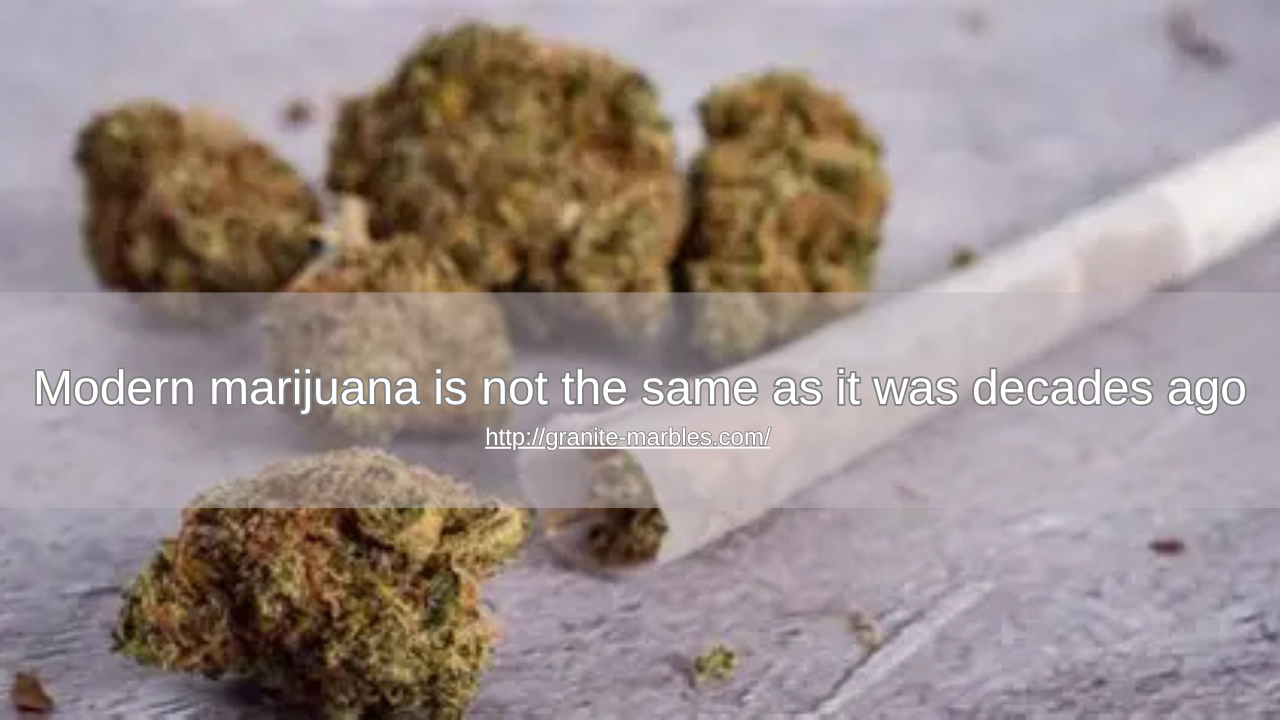
Modern marijuana is not the same as it was decades ago. The average THC concentration in cannabis products has increased significantly, with some concentrates reaching levels above 80 percent. This rise in potency can intensify the drug’s effects, increasing the risk of addiction, mental health complications, and cognitive decline.

High-Potency Products and the Brain

High-THC products such as oils, waxes, and edibles can deliver intense doses that overwhelm the brain’s natural chemistry. Frequent exposure to these elevated levels of THC may contribute to stronger cravings and more severe withdrawal symptoms. Research has also linked heavy use to an increased risk of anxiety, paranoia, and in some cases, psychosis.

Recognizing the Signs of Marijuana Addiction

Many people underestimate how easily marijuana dependence can develop. Recognizing the warning signs early is crucial to preventing deeper addiction.

Common symptoms include:

  • Needing to use marijuana regularly to feel relaxed or happy
  • Experiencing cravings or withdrawal when not using
  • Spending excessive time obtaining or using marijuana
  • Neglecting responsibilities at work, school, or home
  • Struggling to quit despite repeated attempts

If these signs sound familiar, professional support can make all the difference in achieving lasting recovery.

Holistic Healing and Treatment for Cannabis Dependence

At Granite Marbles, recovery from marijuana addiction is guided by compassion, understanding, and evidence-based care. Their programs focus on healing both the mind and body, combining clinical expertise with holistic practices.

A Personalized Approach

Every individual’s journey with addiction is different. Granite Marbles offers customized treatment plans that may include therapy, counseling, and peer support. Whether through inpatient care for structured recovery or outpatient programs that allow clients to maintain daily responsibilities, each path is tailored to fit personal needs and goals.

Integrating Faith and Wellness

Healing from addiction involves more than abstinence. Granite Marbles believes in nurturing the whole person—spiritually, emotionally, and physically. Faith-based support, mindfulness training, and healthy lifestyle guidance all play a vital role in restoring balance and purpose.

The Path Forward

Understanding the truth about THC is the first step in breaking free from marijuana dependence. While cannabis may seem harmless to some, its effects on the brain can be powerful and long-lasting. Fortunately, recovery is possible with the right support, structure, and compassion.

If you or a loved one is struggling with marijuana use, Granite Marbles can help. Their team of caring professionals is dedicated to providing the tools and encouragement needed for a full and lasting recovery. Reach out today to begin your journey toward clarity, healing, and renewed hope.

Addicted to Weed? Separating Myth from Medical Reality

Marijuana is often portrayed as a harmless, natural substance, but the truth is more complex. While many people use cannabis without serious consequences, for others, repeated use can lead to dependence and addiction. Understanding the realities of marijuana use, backed by science and clinical experience, is essential for individuals and families seeking clarity, prevention, or treatment.

Understanding Cannabis Use Disorder

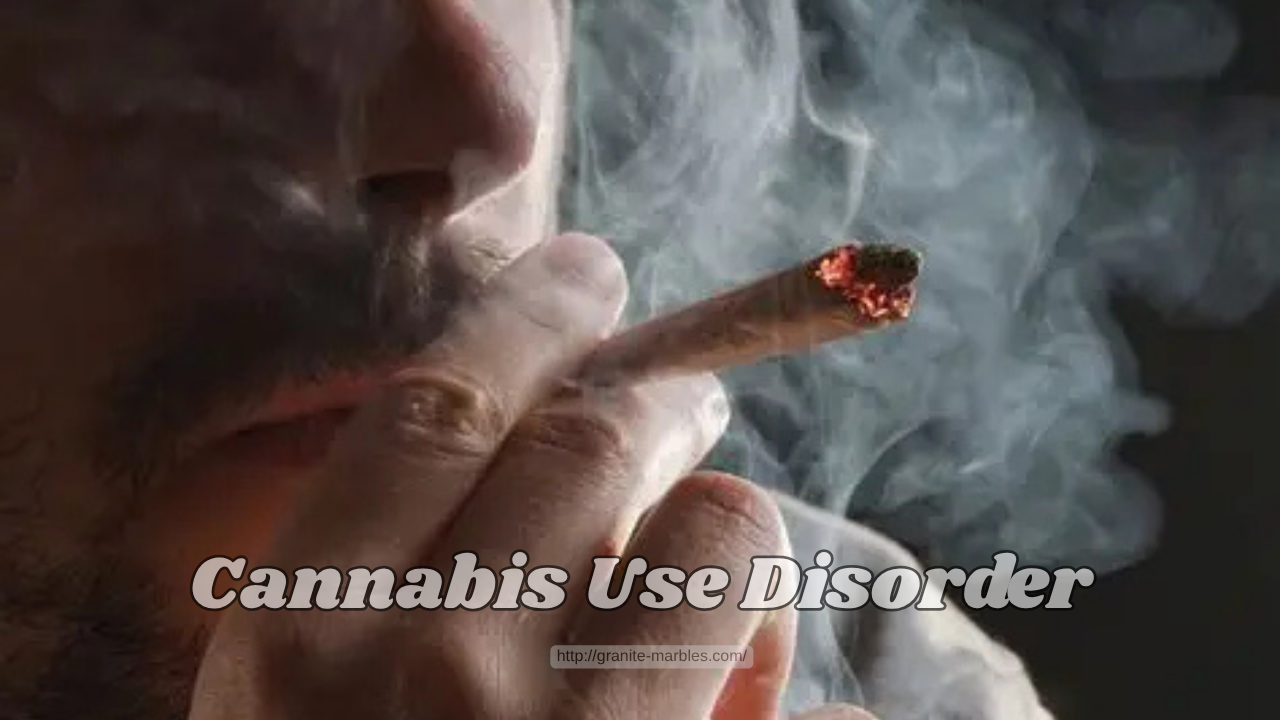
Cannabis Use Disorder, sometimes referred to as marijuana addiction, occurs when individuals are unable to control their use despite negative consequences in their daily lives. Dependence develops over time, often without immediate recognition, and can include physical, psychological, and behavioral components.

How Dependence Develops

THC, the psychoactive component in marijuana, interacts with the brain’s endocannabinoid system, which influences mood, reward, memory, and motivation. With repeated use, the brain adapts to THC, reducing its sensitivity and reinforcing a cycle of continued use. Over time, users may notice cravings, tolerance, and withdrawal symptoms when they try to stop.

Common Signs of Dependence

  • Needing more marijuana to achieve the same effects
  • Struggling to cut back despite wanting to
  • Using marijuana even when it interferes with work, school, or relationships
  • Experiencing withdrawal symptoms such as irritability, sleep difficulties, anxiety, or appetite changes
  • Relying on cannabis to manage stress, emotions, or daily challenges

Myths About Marijuana Addiction

Myth 1: Marijuana is not addictive

Scientific research shows that dependence is real. About 1 in 10 marijuana users will develop Cannabis Use Disorder, and that number rises for adolescents and frequent users.

Myth 2: Only heavy users become addicted

Even moderate users can develop psychological dependence, especially with today’s high-potency strains and concentrates.

Myth 3: Quitting is easy

Withdrawal symptoms, cravings, and psychological reliance make quitting challenging without proper support and structured treatment.

The Connection Between Marijuana and Mental Health

Marijuana use can have both short-term and long-term effects on mental health. While some individuals use it to relax or manage anxiety, chronic use can worsen depression, anxiety, and cognitive challenges. Adolescents and young adults are particularly vulnerable, as their brains are still developing, increasing the risk of long-term cognitive and emotional impacts.

Treatment and Recovery Options

At Granite Marbles, recovery from cannabis dependence is approached with compassion, professionalism, and a focus on the whole person. Their programs integrate mental health support, holistic practices, and individualized care.

Holistic and Faith-Based Approaches

  • Mindfulness and wellness practices such as meditation, exercise, and nutrition support
  • Faith-based guidance for those seeking spiritual strength and purpose
  • Counseling and behavioral therapies to address underlying triggers and build coping skills

Inpatient and Outpatient Care

Granite Marbles offers flexible care options that meet clients where they are, providing the right level of support for each individual’s recovery journey.

Personalized Recovery Plans

Every client receives an individualized plan that considers their history, mental health needs, and personal goals, ensuring a comprehensive approach to healing.

Taking the First Step Toward Recovery

Marijuana dependence is more than just a habit. It is a medical reality that can affect health, relationships, and overall quality of life. Understanding the facts, recognizing warning signs, and seeking professional support are critical steps toward lasting recovery.

Granite Marbles provides compassionate, expert care to help individuals overcome cannabis dependence and reclaim their lives. If you or a loved one is struggling with marijuana use, reach out today and begin a path toward healing, balance, and long-term wellness.

Rethinking Marijuana: What Modern Science Reveals About Dependence

Marijuana has long been portrayed as a safe and harmless substance. With growing legalization and social acceptance, many people assume that occasional or even frequent use carries little risk. However, modern research tells a more nuanced story. While cannabis may offer benefits for some individuals, it also carries the potential for dependence, especially with chronic use or high-potency products. Understanding how marijuana can affect the brain and behavior is critical for those seeking clarity, prevention, or recovery.

Understanding Cannabis Dependence

Cannabis dependence, often called Cannabis Use Disorder (CUD), occurs when someone cannot control their marijuana use despite negative effects on their life. Dependence is both psychological and physical. Over time, repeated exposure to THC, the psychoactive compound in marijuana, changes the brain’s reward system. This can create cravings, increase tolerance, and trigger withdrawal symptoms when use is reduced or stopped.

Key Statistics

Research indicates that about 9 percent of marijuana users develop CUD, with higher risks for adolescents and daily users. Early exposure during brain development increases vulnerability, while high-frequency or high-potency use accelerates the risk of dependence.

How Dependence Develops Over Time

Changes in the Brain

THC binds to cannabinoid receptors in the brain, which influence mood, memory, and motivation. With repeated use, these receptors adjust, leading to decreased sensitivity and reinforcing the cycle of use. The result is a growing reliance on marijuana to feel pleasure, manage stress, or cope with daily challenges.

Withdrawal Symptoms

When dependence develops, stopping marijuana can produce noticeable withdrawal symptoms. These may include irritability, sleep disturbances, anxiety, appetite changes, and mood swings. Even mild withdrawal can be challenging, highlighting the importance of professional support for those trying to quit.

Psychological and Emotional Dependence

Beyond physical adaptation, many individuals develop a psychological reliance on cannabis. They may use marijuana as a primary coping mechanism for stress, anxiety, or emotional discomfort, making cessation more difficult without alternative coping strategies.

Risk Factors and Vulnerable Populations

Adolescents, young adults, and individuals with pre-existing mental health conditions face a higher risk of developing dependence. Family history of addiction, chronic stress, or trauma can also increase susceptibility. Recognizing these risk factors allows for early intervention and support to prevent long-term challenges.

Holistic and Personalized Recovery

At Granite Marbles, treatment for cannabis dependence is tailored to each individual’s unique needs. Recovery programs integrate evidence-based approaches with holistic care, including:

  • Inpatient and outpatient programs for flexible support
  • Mental health counseling to address co-occurring conditions
  • Holistic practices such as mindfulness, nutrition, and exercise
  • Faith-based guidance for spiritual support
  • Personalized treatment plans that reflect each client’s history and goals

These methods address both the physical and emotional aspects of dependence, empowering individuals to reclaim control and build sustainable wellness.

Taking the Next Step

Marijuana may seem harmless, but dependence is a real and growing concern. By understanding the science and recognizing warning signs, individuals can take proactive steps toward recovery. With compassionate, professional care, healing and balance are possible.

If you or a loved one is struggling with cannabis use, Granite Marbles provides expert guidance and holistic support to help you navigate the path to recovery. Reach out today to begin a journey toward lasting health, resilience, and freedom.